Kid-Friendly Pet Care Chart: Duties Without Nagging
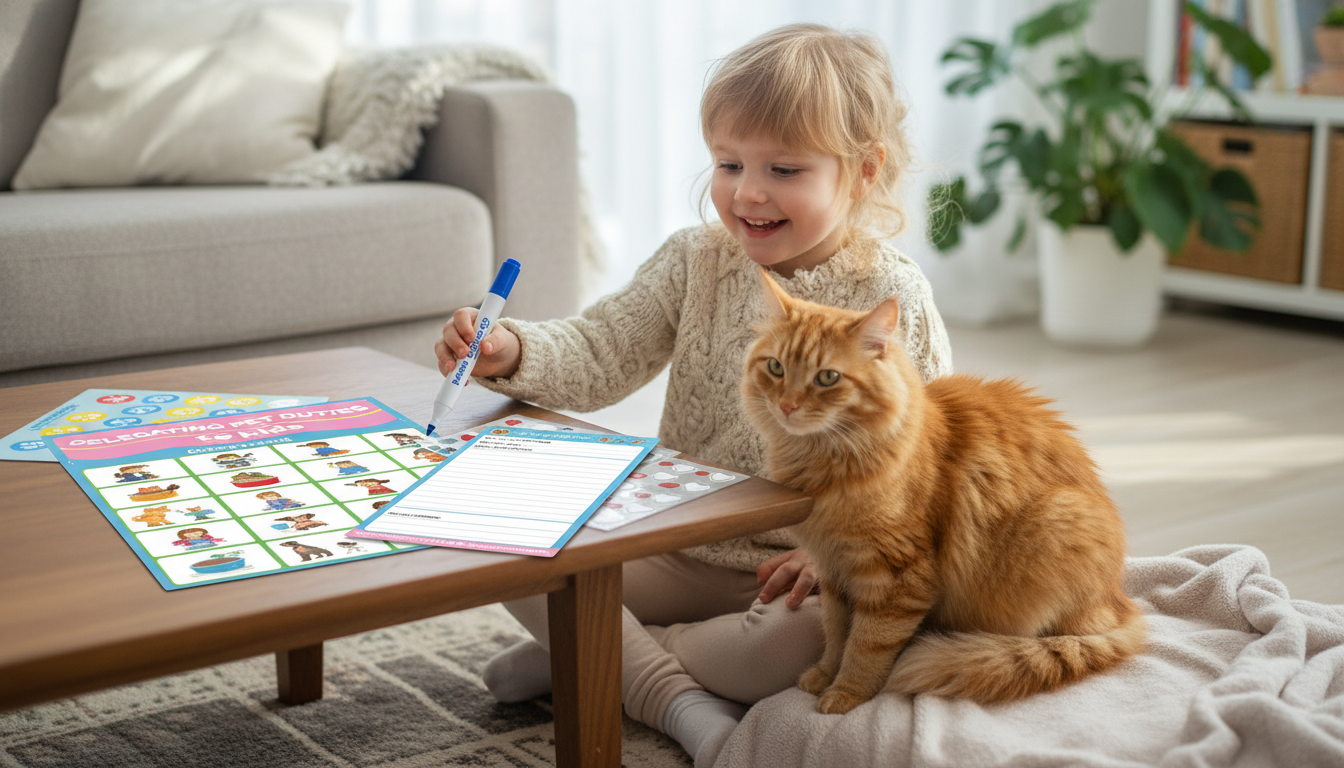
A Clear, Kid-Friendly System for Sharing Pet Care Without Daily Reminders
When kids want a pet, the daily upkeep often lands back on the adults—especially on busy mornings, school nights, and weekends away. A clear system turns “help when asked” into predictable routines kids can follow, with simple tasks, visible expectations, and quick check-ins that keep pets safe and households calmer.
Why pet chores break down (and how a system fixes it)
Most pet-care conflicts aren’t about kids “not caring.” They’re usually about unclear expectations and scattered routines. When the goal is “help more,” basics like fresh water, feeding times, and litter or yard cleanup are easy to miss—especially when everyone assumes someone else already did it.
Breakdowns happen when there’s no single shared place to track what’s done, what’s running low, and what needs attention. Adults then default to last-minute reminders (“Did you feed the cat?”), which can trigger resistance and turn pet care into a daily argument instead of a responsibility habit.
A simple system works because it makes tasks specific, assigns them by day and time, and verifies completion with a quick routine (not constant nagging). That consistency protects pet health—missed meals, dirty litter, and skipped walks can contribute to stress behaviors and, over time, medical issues. For general pet-care guidance, the American Veterinary Medical Association (AVMA) and CDC Healthy Pets, Healthy People are reliable references.
Set the ground rules before assigning chores
Before you hand out tasks, agree on a few “non-negotiables” that apply every day. Common examples include: fresh water daily, safe feeding rules, and clean living spaces (litter box, bedding, bowls). Then define your family’s standards for completion so “done” means the same thing to everyone.
- Define non-negotiables: water refreshed, food served safely, and waste handled consistently.
- Set completion standards: e.g., water bowl refilled to a line; litter scooped until no clumps remain; yard pickup includes a quick scan of the full area.
- Clarify safety limits: kids never handle medications, sharp tools, aggressive pets, heavy lifting, or late-night walks without an adult.
- Pick a check-in rhythm: a 2-minute morning glance plus a 2-minute evening review beats random reminders all day.
- Pre-decide what happens if a task is missed: a make-up task, loss of a privilege, or swapping chores the next day.
Match tasks to age and attention span
Start small. One daily “anchor task” per child is easier to protect than a long list they’ll forget. Use time-based cues like “after breakfast” and “before bedtime,” and keep tools accessible: pre-measured scoops, labeled bins, and a dedicated pet-care station reduce friction.
Pet duty ideas by age (adjust to your pet’s needs and your child’s maturity)
| Age range | Good starter duties | Adult support needed | Notes |
|---|---|---|---|
| 4–6 | Refill water with a small pitcher; help measure dry food; brush with soft brush | Direct supervision | Keep sessions short (2–5 minutes) and focus on gentle handling |
| 7–9 | Feed on schedule; scoop litter with lightweight scoop; set out leash and bags | Check results and confirm safety | Use a visual checklist; reinforce handwashing every time |
| 10–12 | Walk dog in daylight; clean bowls; track supplies; basic grooming | Occasional spot checks | Add a “done” sign-off so tasks aren’t duplicated |
| 13+ | Full routine rotation; training practice sessions; deeper cleaning tasks | Periodic review | Introduce ownership of planning (calendar, reminders, refill schedule) |
Build the “clear system”: assign, display, verify, reset
The goal is a routine kids can follow without you chasing them. Keep it simple and repeatable:
- Assign: create a weekly rotation with two daily touchpoints (AM/PM) so every essential task has an owner.
- Display: place the schedule where pet care happens (near food bin, litter area, or leash hook) so it’s seen at the moment of action.
- Verify: add a completion step (checkmark, clip, or magnet move) to prevent “I thought someone else did it.”
- Reset: do a quick weekly reset—refill supplies, wash bowls, update the rotation based on school and activity changes.
- Make it resilient: include a backup plan for sick days or late practices (swap list or parent fallback task).
Reduce arguments with incentives and natural consequences
A ready-to-use option for stress-free delegation
If that’s the goal, consider Delegating Pet Duties to Kids with a Clear System – 3-in-1 Bundle for Stress-Free Pet Care, which is designed to make responsibilities obvious at a glance and help kids understand what “done” means.
Helpful add-ons that make kid-led pet care easier
For cat households, enrichment can also prevent behavior issues that get blamed on “bad care.” Stable vertical space helps cats climb, scratch, and rest in appropriate places, which keeps daily care focused on essentials rather than constant correction. If you’re upgrading the cat area, Large Multi-Level Cat Tree Tower with Hammocks, Condo & Scratching Posts can support play and scratching needs while giving kids a consistent spot to check (and tidy) as part of the routine.
FAQ
What if a child forgets a pet duty?
Have an adult complete the urgent pet need immediately, then apply the predetermined make-up task or consequence later. Reinforce the display/verification step (checkmark or magnet) and simplify the schedule if it’s too complex.
How many pet chores should kids have each day?
Start with one daily anchor task per child and add only after 1–2 weeks of consistent completion. Keep total time under 10–15 minutes depending on age and pet type.
Is it safe for kids to handle feeding and cleaning tasks?
Yes, with age-appropriate duties and clear safety rules: consistent handwashing, no medication handling, supervision for young kids, and limits around aggressive pets, heavy litter, or nighttime walks.











Leave a comment