Best Feeding Set Materials: Silicone vs Steel vs Bamboo
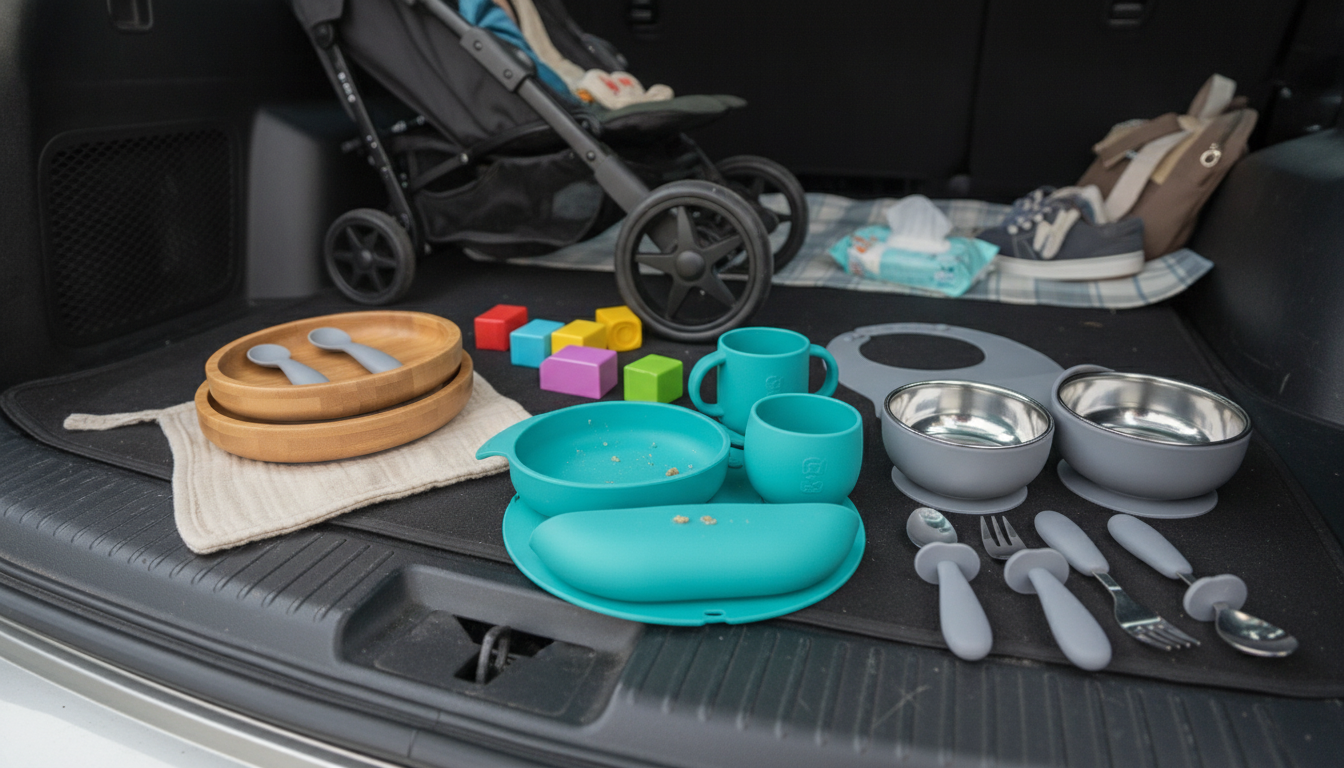
What material is best for a feeding set?
The best material for a feeding set depends on how you use it day to day, but for most families, food-grade silicone is the most practical all-around choice. It’s lightweight, grippy on the table, and typically easier to manage than breakable materials. That said, stainless steel and certain plastics can also be great options when chosen carefully.
Top pick for most homes: Food-grade silicone
Food-grade silicone feeding sets are popular because they’re designed for real-life messes. Silicone plates and bowls often have raised edges to help with scooping, and many include suction bases that reduce tipping. Silicone is also quiet when it hits the floor (a plus during the toss-everything phase) and generally holds up well to frequent washing. Look for BPA-free, phthalate-free, and FDA-compliant or LFGB-tested silicone if you want stricter material standards.
Best for long-term durability: Stainless steel
If longevity is the priority, stainless steel bowls are hard to beat. They’re resistant to stains, odors, and cracking, and they handle hot foods well. Stainless steel is also a solid choice for families who want to avoid silicone feel or who prefer a simpler, non-porous surface. Many parents pair stainless steel bowls with a silicone sleeve or a non-slip mat to cut down on sliding.
Best for a traditional feel: Bamboo (with a caution)
Bamboo feeding sets look great and feel sturdier than many lightweight options, but they require more care. They’re not always dishwasher-safe, can absorb moisture over time, and many bamboo products use a resin binder that can degrade with heat. If choosing bamboo, follow the brand’s care instructions closely and avoid high-heat cleaning unless it’s explicitly rated for it.
When plastic makes sense
Plastic feeding sets can be convenient for travel or daycare, especially when they’re lightweight and affordable. The key is selecting high-quality, food-safe plastic that’s BPA-free and dishwasher-safe, and replacing items that become scratched or cloudy since wear can trap odors and residue.
For a deeper breakdown of pros, cons, and what to look for on labels, visit the main guide on feeding set materials.
FAQ
How do you clean a silicone baby feeding set?
Most food-grade silicone sets can go in the dishwasher, but a quick hand wash with hot water and unscented soap also works well. If silicone starts holding odors, soaking it in hot water with a little baking soda can help.












Leave a comment