Buying a House in Australia: Costs, Checks & Contracts
What to know before buying a house in Australia?
Buying a home in Australia can move quickly, and the rules can differ by state, lender, and even suburb. Before signing anything, it helps to understand how financing works, what inspections actually cover, and the extra costs that show up beyond the purchase price.
Know your borrowing power (and your deposit)
Start with a realistic budget based on lender serviceability checks, not just your preferred monthly payment. Many buyers aim for a 20% deposit to avoid Lenders Mortgage Insurance (LMI), but lower-deposit options exist depending on your profile. If you’re a first-home buyer, check eligibility for grants and stamp duty concessions in your state, since thresholds and benefits vary.
Understand the buying methods: auction vs private treaty
In many markets, properties sell by auction, where the sale is typically unconditional once the hammer falls. That means finance approval and due diligence should be done beforehand. Private treaty sales may allow conditions (like finance or building inspection clauses), but terms are negotiable and must be confirmed in writing.
Review the contract and title details early
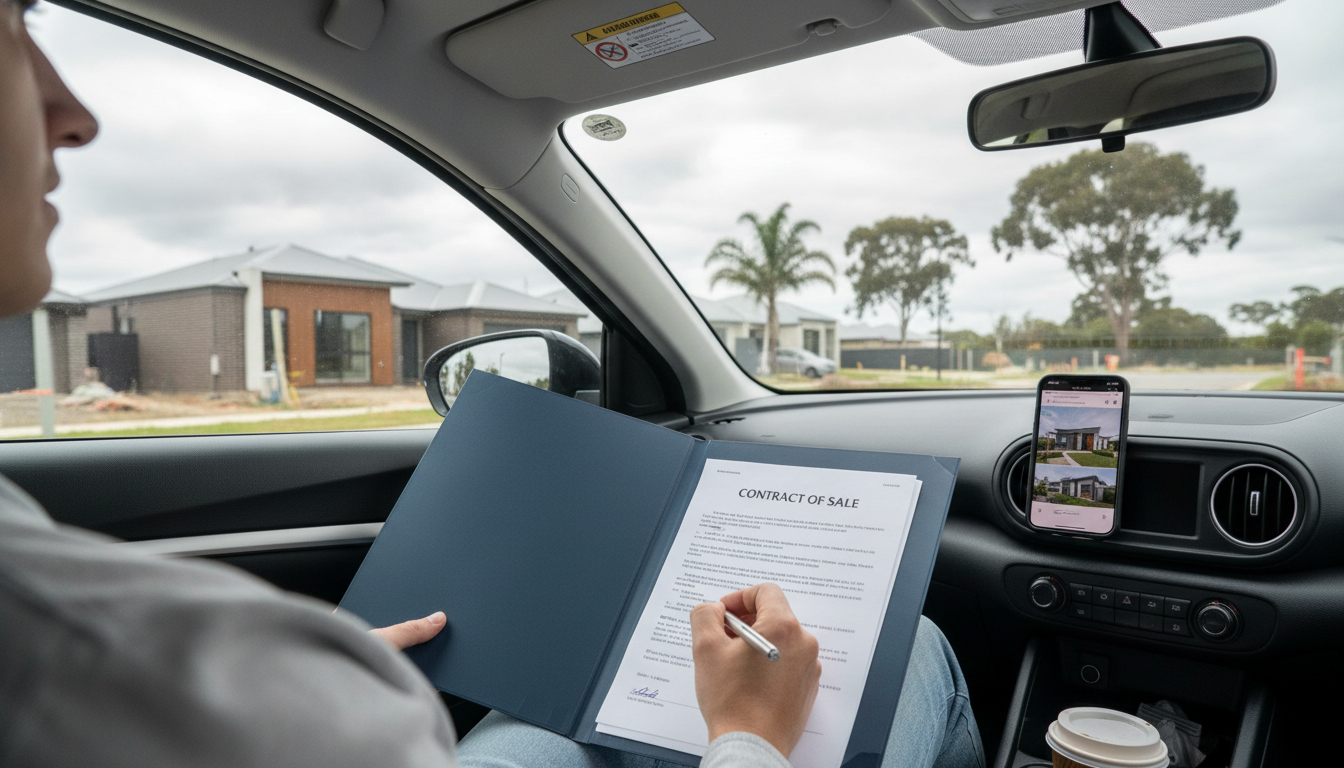
Have a conveyancer or solicitor review the contract before you commit. Pay attention to settlement dates, included fixtures, special conditions, easements, strata by-laws (for apartments/townhouses), and any disclosure statements. Small clauses can create large costs later, especially around repairs, renovations, or access rights.
Don’t skip building, pest, and strata checks
A building and pest inspection can uncover structural issues, moisture damage, termites, and safety problems that aren’t obvious at an open home. If buying strata, review the strata report for sinking fund health, upcoming special levies, insurance coverage, and recurring building defects.
Budget for all the “extras”
Beyond the price, plan for stamp duty, conveyancing fees, inspections, loan application and valuation fees, moving costs, and immediate maintenance. Also consider ongoing expenses like council rates, strata levies, insurance, and utility connections.
For a deeper, step-by-step breakdown, visit the full guide here: What to know before buying a house in Australia.
FAQ
How much are closing costs when buying a home in Australia?
It depends on the state and purchase price, but major costs often include stamp duty, conveyancing, inspections, and lender fees. Stamp duty is usually the biggest item, so estimate it early using your state’s calculator.











Leave a comment