Simple Systems Explained: Triggers, Checklists, Results
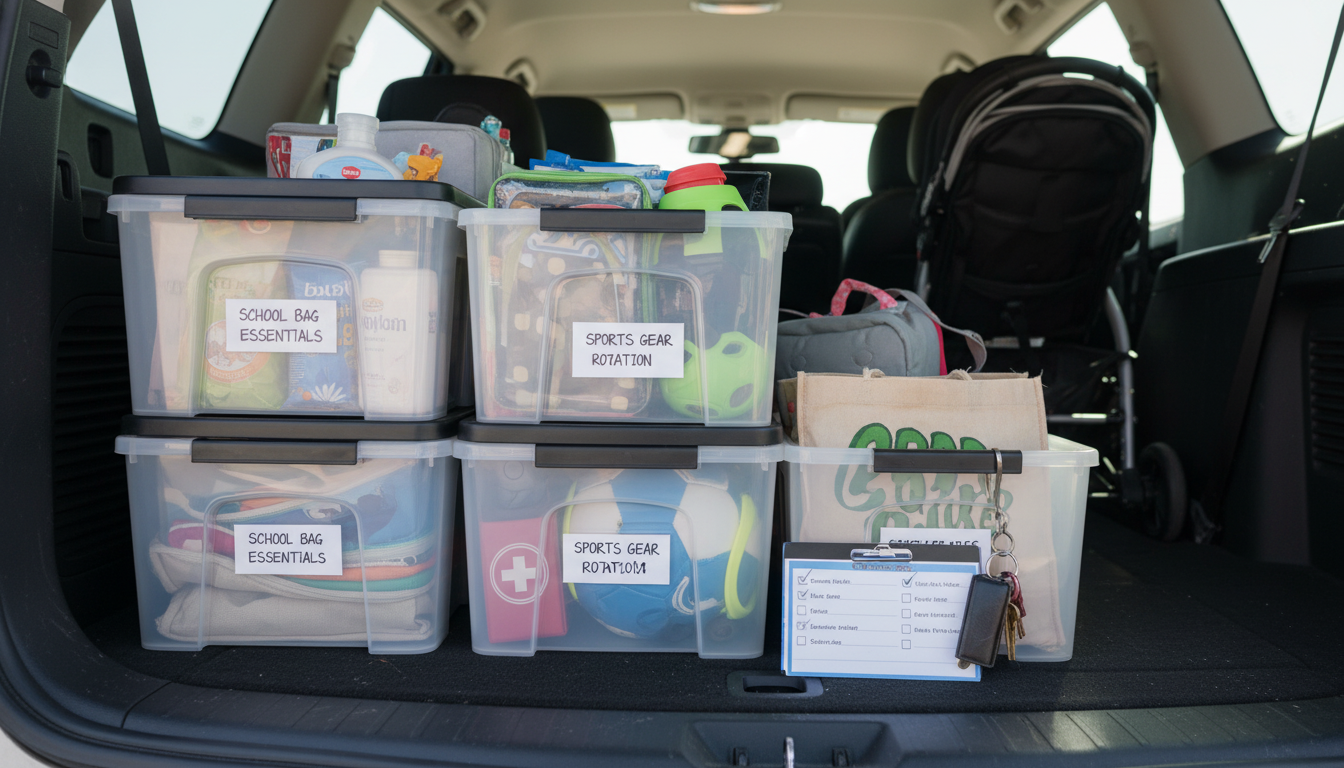
What is a simple system?
A simple system is a small, repeatable way of doing something that reduces decisions and makes results more predictable. It usually has a clear trigger (when you do it), a few steps (how you do it), and an obvious finish line (what “done” looks like). The goal isn’t perfection—it’s consistency that saves time, money, and mental energy.
How a simple system works in everyday life
Most home and personal routines fail because they’re too complicated to maintain on busy days. A simple system is designed for real life: minimal steps, easy tools, and flexible timing. Think of it as a default path you can follow even when you’re tired or distracted.
Common parts of a simple system
1) A trigger: “After dinner,” “every Sunday,” or “when the hamper is full.”
2) A short checklist: Three to seven actions you can complete without stopping to plan.
3) A standard: A clear target, like “sink empty” or “clothes folded into three piles.”
4) A reset: A quick step that makes next time easier, such as refilling supplies or putting tools back in one spot.
Examples of simple systems (that actually stick)
Five-minute kitchen reset: Start the dishwasher, wipe counters, sweep one high-traffic area, and set out tomorrow’s coffee mug. Done.
One-basket laundry flow: One basket per person, one wash day, one folding session, and clothes go straight into drawers—no “clean pile.”
Weekly home check-in: Choose a fixed day to review groceries, schedules, and a short list of top-priority chores.
Make it even simpler with a checklist
If you want a low-stress way to set up routines, use short checklists and repeat them until they feel automatic. For more ideas and ready-to-use examples, visit this guide to simple home systems and checklists.
FAQ
What’s the difference between a routine and a system?
A routine is the habit you do; a system is the structure that makes the routine easier to repeat. Systems include the trigger, steps, and “done” standard so you don’t have to improvise each time.












Leave a comment