Hex Key Substitute: 5 Household Items That Can Work
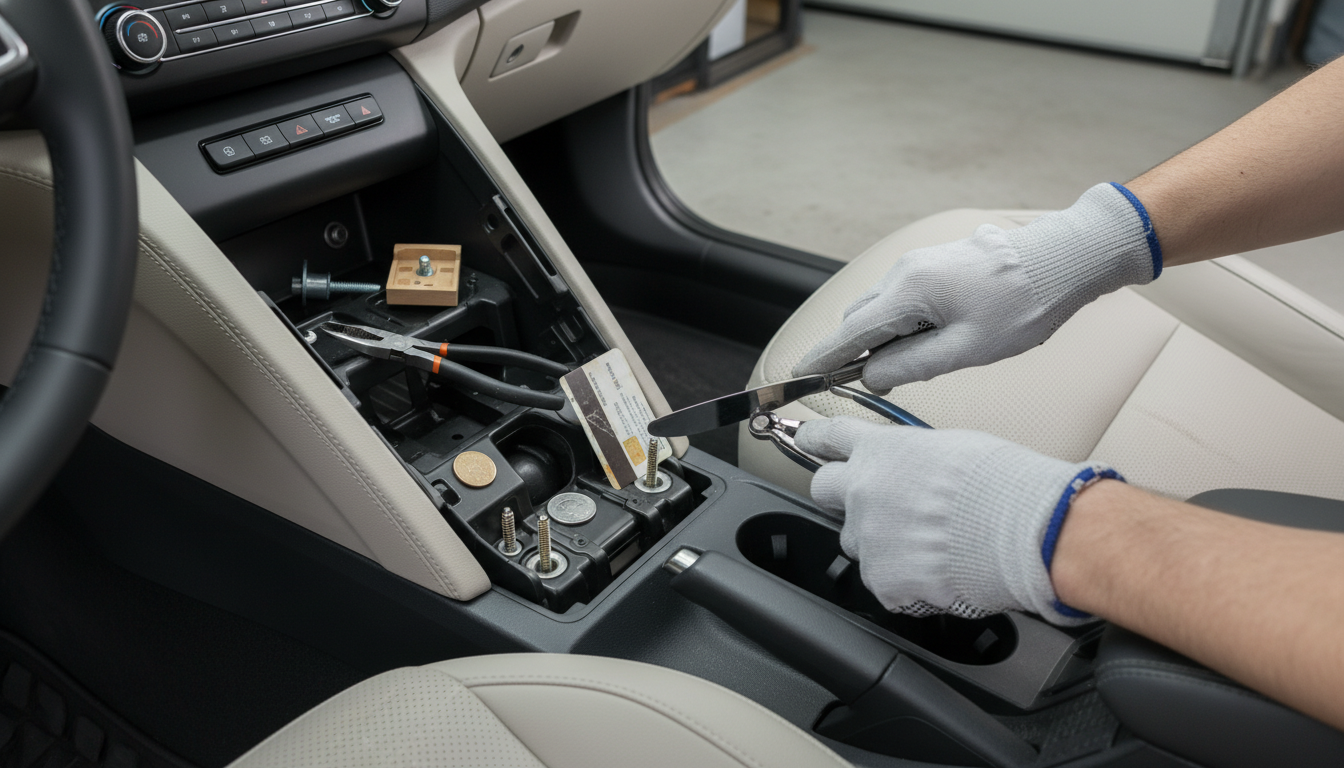
What household items can work as a substitute for a hex key in a pinch?
If you’re mid-assembly and can’t find the right Allen wrench, a few common household items can sometimes turn a hex socket just enough to get you by. The goal is to fit snugly, apply steady pressure, and avoid rounding out the fastener. If the screw is tight or the fit is sloppy, stop and switch tactics before it becomes a bigger repair.
1) A Torx bit (or Torx screwdriver)
A Torx size that’s slightly larger can bite into the hex socket and provide usable grip. Press down firmly and turn slowly. This is one of the better “in a pinch” options, but it can still chew up the socket if it slips.
2) A flathead screwdriver (limited cases)
If the “hex” fastener is actually a socket-head screw with a wide opening, a large flathead may catch across two flats—sometimes. It’s most workable when the screw isn’t torqued down and you can keep the blade centered.
3) Small needle-nose pliers
If the screw head is exposed (not fully recessed), needle-nose pliers can clamp onto the outside of the head and turn it. This won’t help with a deeply recessed socket, but it can save you when the head sits proud of the surface.
4) A small adjustable wrench (only if something sticks out)
For bolts with an external hex head (not an internal hex socket), a small adjustable wrench works well. It’s not a substitute for an Allen key, but it often solves the same “I can’t find the right tool” moment when the hardware is mixed.
5) A sacrificial pen cap or plastic (very light-duty)
For tiny, lightly tightened hex screws, you can sometimes press a firm plastic edge into the socket to get a partial turn. This is strictly a last resort and typically works only to loosen something that isn’t tight.
When to stop improvising
If the socket starts to round, the tool cams out, or the screw won’t budge, improvising will usually make the job harder. A compact multi-size tool is the reliable fix—see this guide to an 8-in-1 foldable hex key set for a simple way to cover common sizes without hunting for loose wrenches.
FAQ
How do you remove a stripped hex screw at home?
Try tapping in a slightly larger Torx bit for grip, or use a screw extractor if you have one. If the head is exposed, locking pliers can sometimes turn it free; apply penetrating oil and work slowly to avoid snapping the fastener.











Leave a comment