Hex Key Missing? 5 Easy Allen Wrench Substitutes
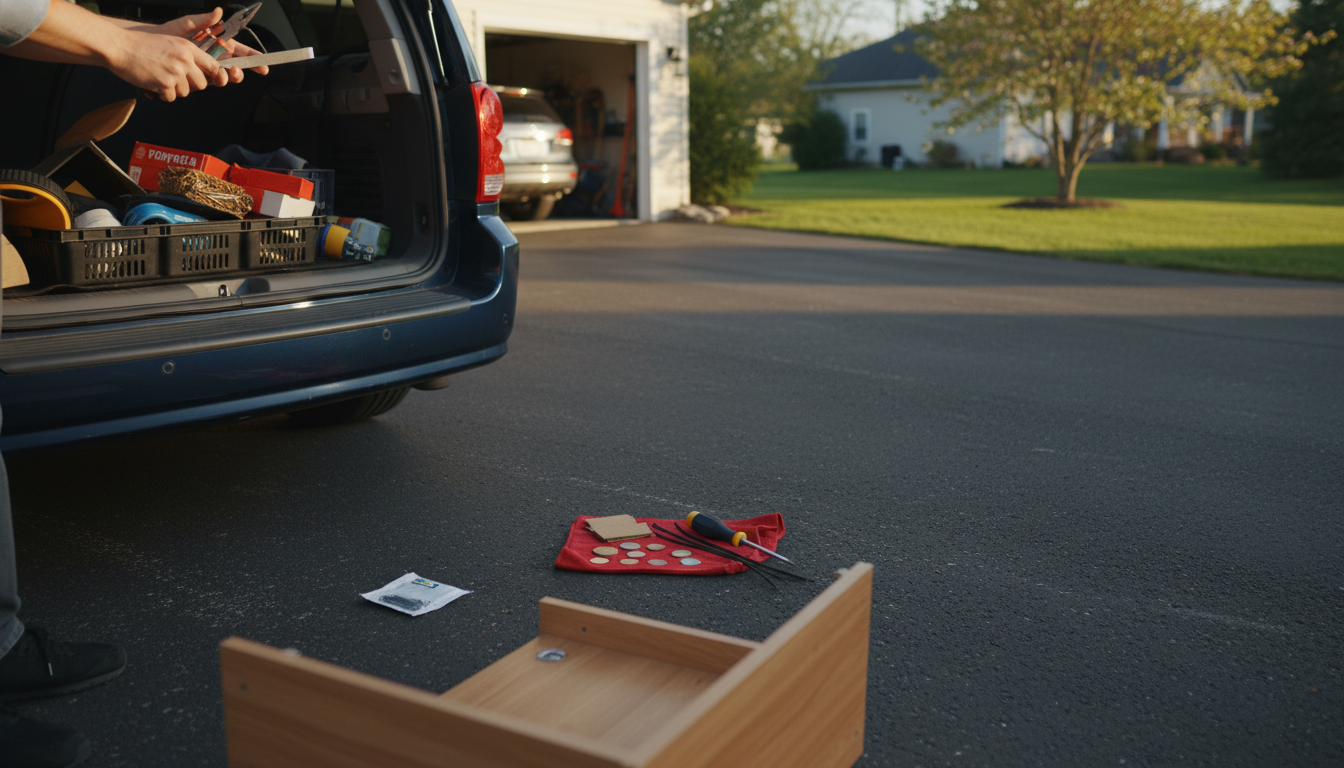
What can I use in place of a hex key?
If you don’t have a hex key (Allen wrench) on hand, a few common tools can work in a pinch—especially if the fastener isn’t very tight. The best substitute depends on whether the bolt has an internal hex socket (most common) or an external hex head.
Try a Torx bit (often the closest match)
A Torx bit that’s slightly larger than the hex socket can sometimes bite into the corners well enough to turn the screw. Press firmly to keep it from slipping, and stop if you feel it starting to cam out—stripping the socket will make removal much harder.
Use a flathead screwdriver (only for shallow or loose fasteners)
For larger hex sockets, a wide flathead can catch across two flats of the opening. This is most likely to work when the screw is already loose or lightly tightened, such as on some furniture hardware.
Grab locking pliers if there’s anything to grip
If the bolt head sticks out even a little, locking pliers (Vise-Grips) can clamp onto the outside and turn it. This method can mar the hardware, but it’s effective for emergency removal.
Socket, wrench, or adjustable wrench (for external hex heads)
If you’re dealing with an external hex bolt (not an internal hex socket), skip the hex key entirely and use a properly sized socket or wrench. An adjustable wrench can work, but keep it tight to avoid rounding the corners.
Temporary “shim” trick for a slightly loose fit
If your tool is just a hair too small, a small piece of rubber band material, thin grit-free tape, or a sliver of paper can sometimes improve grip. This is a last-resort option for light torque situations.
For repeated repairs, a compact multi-size tool is the safer solution. A foldable set keeps common sizes together and reduces the temptation to force mismatched tools. For a practical option, see this guide: 8-in-1 foldable hex key set guide.
FAQ
What size hex key do I need for furniture screws?
Many flat-pack furniture brands commonly use 4mm or 5mm, but sizes vary by model. If the included key is missing, test-fit gently—your best match will seat fully with minimal wobble.










Leave a comment