Silicone Baby Utensils: Safety, Quality & Care Tips
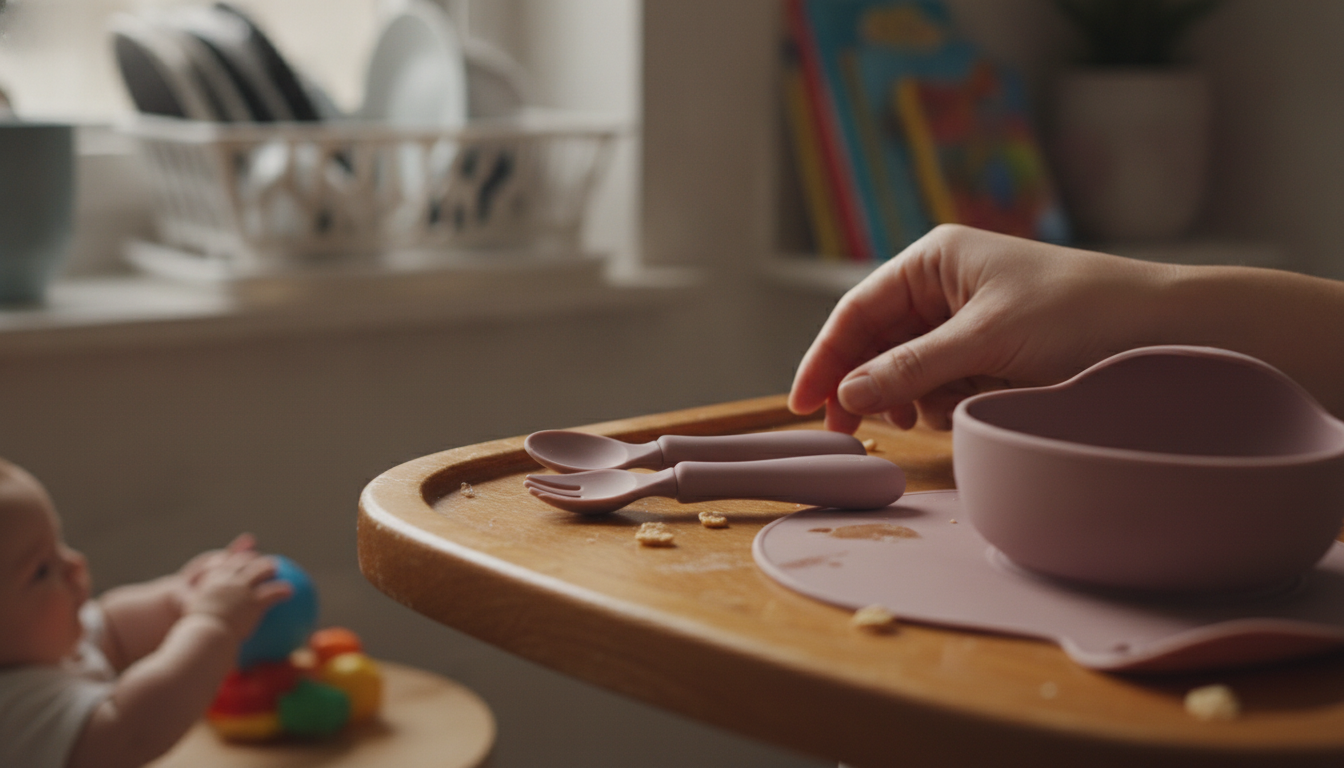
Is it safe to use silicone utensils for babies?
Yes—silicone utensils can be safe for babies when they’re made from food-grade silicone and used as directed. Silicone is naturally soft and flexible, which helps protect tender gums during early self-feeding. It also won’t splinter like some plastics can or chip like certain hard materials if it’s dropped.
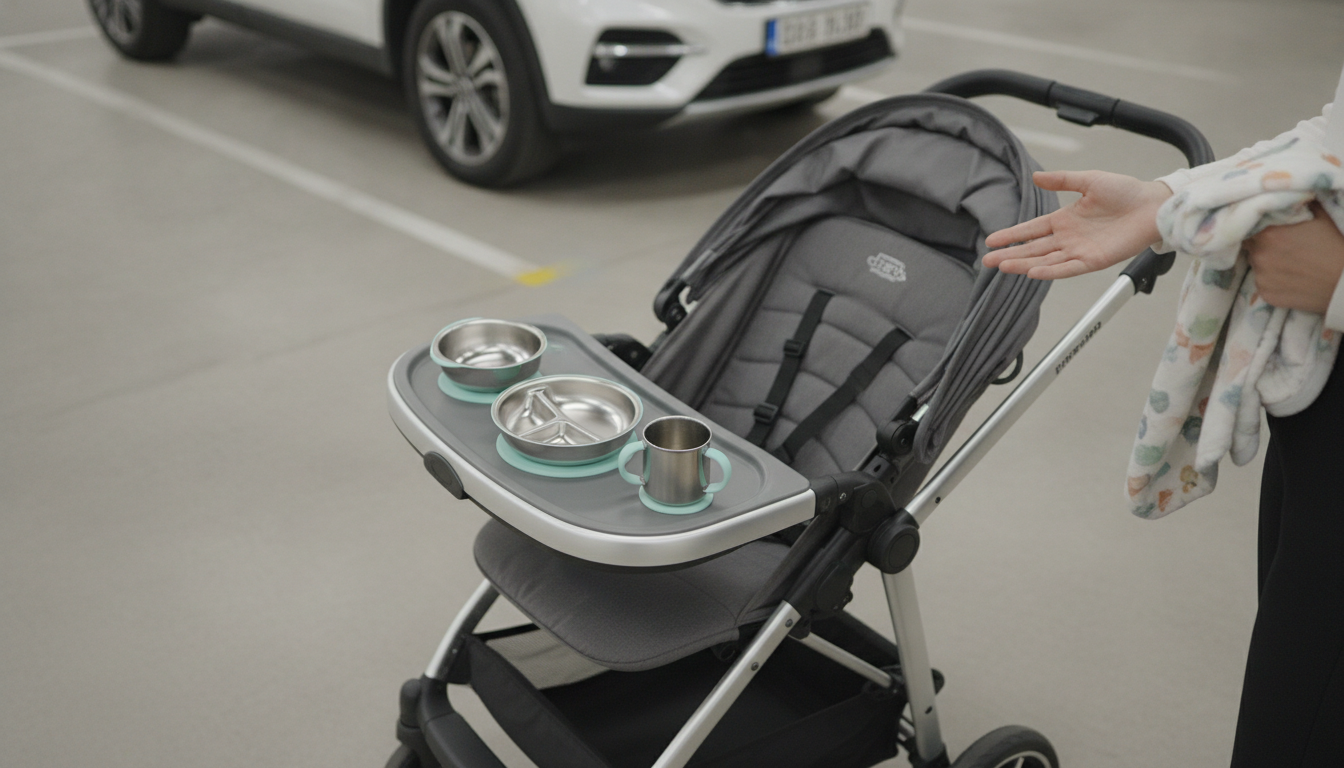
The biggest safety factor is quality. Look for utensils labeled as 100% food-grade silicone and free from BPA, BPS, PVC, and phthalates. Reputable makers typically test for compliance with U.S. safety standards and clearly list materials. If you want a deeper breakdown of what to look for in a baby feeding kit, see the full guide here: https://enticingwaresbay.shop/guide-7-piece-stainless-steel-baby-feeding-set-bpa-free-silicone-utensils/.
What makes silicone baby utensils a good choice?
Food-grade silicone is gentle, grippy, and easy for small hands to hold. Many baby spoons and forks use a silicone tip to reduce the “hard edge” feeling while babies learn to scoop and chew. Silicone also tolerates common temperature swings (warm purees, chilled foods) without becoming brittle.
When should you avoid silicone utensils?
Skip any utensil with a strong chemical smell, a sticky/tacky surface, flaking, or visible cracking—those can signal low-quality material or wear. Also avoid using silicone utensils that have deep cuts from teeth or are regularly exposed to very high heat (like direct contact with a stovetop or broiler).
How to use and care for silicone utensils safely
Wash before first use and after each meal with warm, soapy water (or follow the product’s dishwasher guidance). Replace utensils if the silicone tears or the core becomes exposed. For babies who are teething or chewing aggressively, supervise use and choose utensils designed for their age and bite strength.
FAQ
How do I clean silicone baby utensils properly?
Wash with warm water and mild dish soap, then rinse well. If odors linger, soak in hot water with a small amount of baking soda, rinse, and fully air-dry before storing.









Leave a comment