Stainless Steel Baby Bowls & Plates: Safety Guide
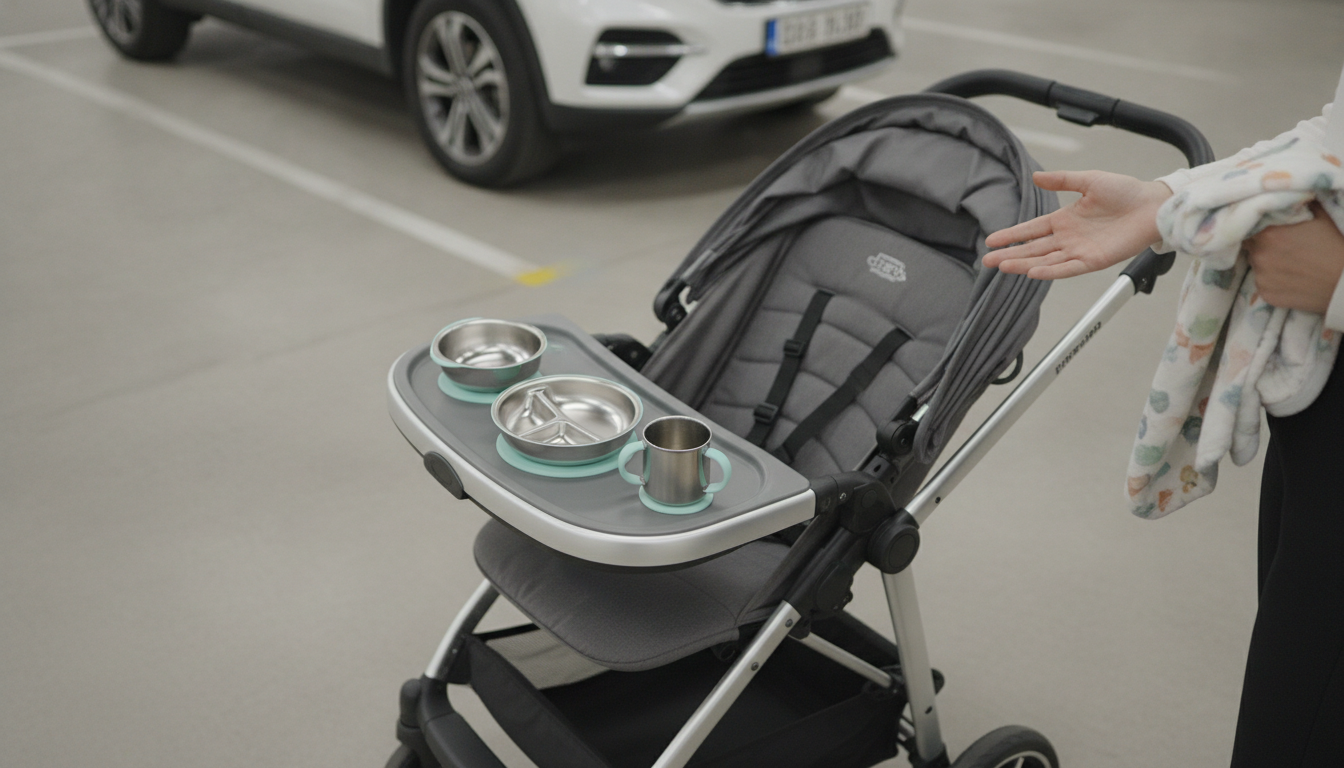
Are stainless steel baby bowls and plates safe for babies?
Stainless steel baby bowls and plates are generally considered safe for babies when they’re made from food-grade stainless steel and used as intended. Unlike some plastics, stainless steel doesn’t contain BPA, won’t absorb odors, and is less likely to stain or hold onto greasy residue. It’s also durable enough to handle daily drops, scrubbing, and dishwasher cycles without breaking into sharp shards.
What makes stainless steel a good choice for baby feeding?
Food-grade stainless steel (commonly 18/8 or 18/10) is non-porous, so it doesn’t easily harbor bacteria when cleaned properly. It’s also resistant to rust and corrosion, which matters when bowls are exposed to acidic foods like tomato sauce, citrus, or yogurt. Many parents also like that stainless steel is lighter than ceramic and more long-lasting than many plastic sets.
What should parents look for to keep it safe?
Choose bowls and plates labeled as food-grade stainless steel and avoid items with peeling coatings, rough seams, or sharp edges. For younger babies, a design with a silicone base or suction feature can help prevent tipping and reduce clanging noise on highchair trays. If the set includes silicone components, confirm they’re food-grade and BPA-free, and follow the care directions to prevent warping or residue buildup.
Are there any downsides?
Stainless steel can feel cold to the touch and may make more noise when tapped or dropped. It can also get hot if warmed, so always test the temperature of heated foods and avoid microwaving metal. While stainless steel is very stable, discard any product that becomes dented in a way that creates sharp edges or compromises the fit of lids, suction bases, or sleeves.
For a closer look at a baby feeding set that pairs stainless steel with BPA-free silicone utensils, visit this guide to a 7-piece stainless steel baby feeding set.
FAQ
Can stainless steel baby bowls go in the dishwasher?
Most food-grade stainless steel baby bowls and plates are dishwasher-safe, but check the manufacturer’s directions for any silicone bases, suction parts, or lids. Placing silicone pieces on the top rack often helps them last longer.








Leave a comment