BPA-Free Silicone for Babies: Safety, Tips, Care
Is BPA free silicone safe for babies?
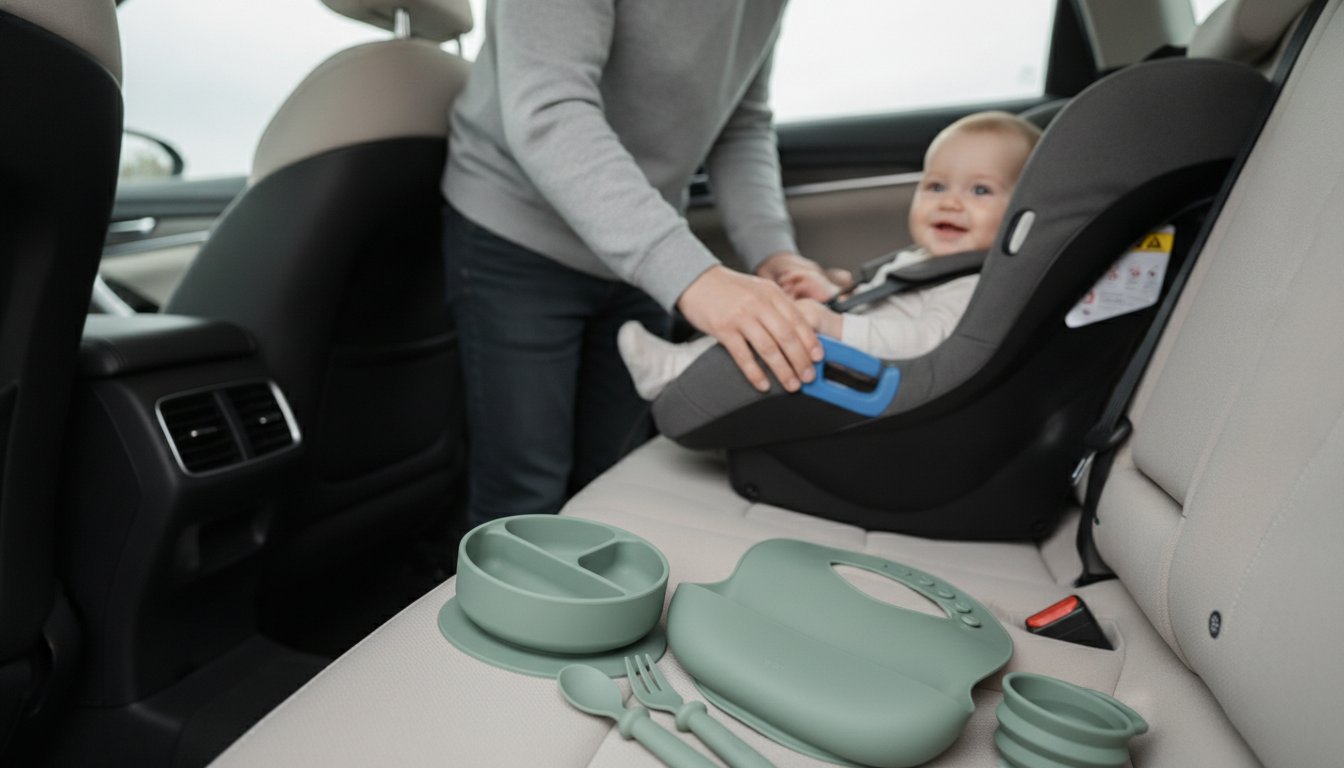
In most everyday feeding uses, BPA-free silicone is considered a safe choice for babies. Food-grade silicone doesn’t contain BPA (a chemical found in some plastics), and it’s valued for being flexible, durable, and generally resistant to breaking into sharp pieces. Many parents also like that silicone can handle both cold and warm foods without getting brittle.
That said, “BPA-free” alone isn’t a complete safety guarantee. The key is choosing products made from food-grade (or medical-grade) silicone and buying from brands that clearly label their materials and care instructions. Low-quality silicone can be mixed with fillers that may affect performance (like lingering odors, staining, or a tacky feel over time).
What to look for in baby-safe silicone
Start with clear labeling: “100% food-grade silicone” (or medical-grade) is a strong signal. Look for products designed specifically for infant feeding, with smooth edges and age-appropriate sizes. If the item is meant for teething or chewing, confirm it’s designed to withstand gnawing without tearing.
Practical signs matter too. High-quality silicone typically feels smooth and sturdy, not overly oily, chalky, or sticky. It shouldn’t have a strong chemical smell. If it arrives with a harsh odor that doesn’t fade after washing, it may be best to replace it.
How to use and care for silicone to keep it safer
Wash new silicone items before first use. Follow the manufacturer’s heat limits—while many silicone utensils and dishes are dishwasher-safe, not all are meant for high-heat sterilizing or prolonged baking temperatures. Avoid cutting directly on silicone plates or bowls, since deep scores can create places for residue to build up.
For a deeper dive on baby feeding materials and a practical set option, see this guide: 7-piece stainless steel baby feeding set with BPA-free silicone utensils.
FAQ
How do you clean silicone baby utensils safely?
Wash with warm water and mild dish soap, rinse well, and let them dry completely. If odors linger, a short soak in hot water with baking soda can help, but always follow the product’s care instructions.











Leave a comment