Remove an Allen Screw Without a Hex Key: 6 Methods
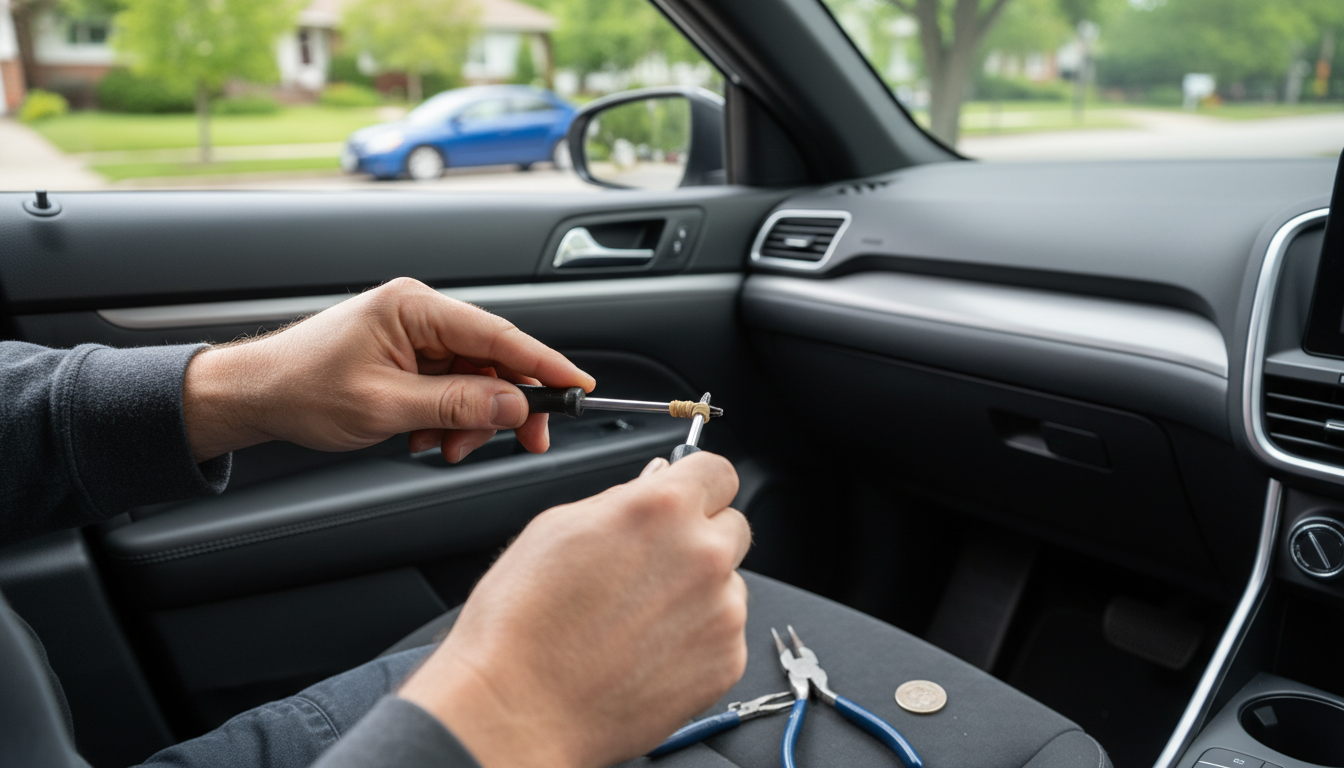
How to unscrew a hex key without a hex key?
If you’re staring at an Allen (hex) screw with no hex key around, the goal is simple: find another tool that can grab the socket or the outside of the screw head without stripping it. Start with the least aggressive options and move up only if the fastener won’t budge.
Try a Torx bit that fits snugly
A Torx bit is often the quickest substitute. Pick a size that’s slightly larger than the hex opening so it wedges tightly. Tap it in gently with a small hammer (or the handle of a screwdriver) to seat it, then turn slowly with steady pressure. If it slips, stop and switch sizes—spinning will round the socket.
Use pliers or locking pliers if the head is exposed
If the screw head sticks out enough to grab, clamp it with locking pliers (Vise-Grips) or strong slip-joint pliers. Squeeze hard, keep the jaws square to the head, and turn in short, controlled movements. This works especially well on button-head or cap screws that sit proud of the surface.
Cut a slot and use a flathead screwdriver
When the hex socket is damaged or you can’t get a bit to bite, cut a straight slot across the top of the screw using a rotary tool or a hacksaw blade. Then remove it with a wide flathead screwdriver. Press down firmly to keep the blade from camming out.
Add friction and loosen stubborn threads
For lightly stuck fasteners, a rubber band (or a thin piece of nitrile glove) between the tool and the socket can add grip. If the screw is seized, apply penetrating oil and wait 10–20 minutes, then try again. Gentle heat on the surrounding metal (not plastic) can also help break thread bond.
Last resort: extract or drill
If nothing grips, use a screw extractor or carefully drill the head off. Once the head is removed, the remaining shank usually turns out with pliers because the clamping force is gone.
To avoid getting stuck next time, keep a compact set handy—this 8-in-1 foldable hex key set guide shows a portable option that covers common sizes for quick fixes.
FAQ
What if the Allen screw is stripped?
Move to a wedged Torx bit first, then try cutting a flathead slot. If the head is too damaged to drive, use an extractor or drill the head off and remove the remaining threads with pliers.











Leave a comment