Antique Ceramic Tissue Box Holder: A Subtle Room Upgrade
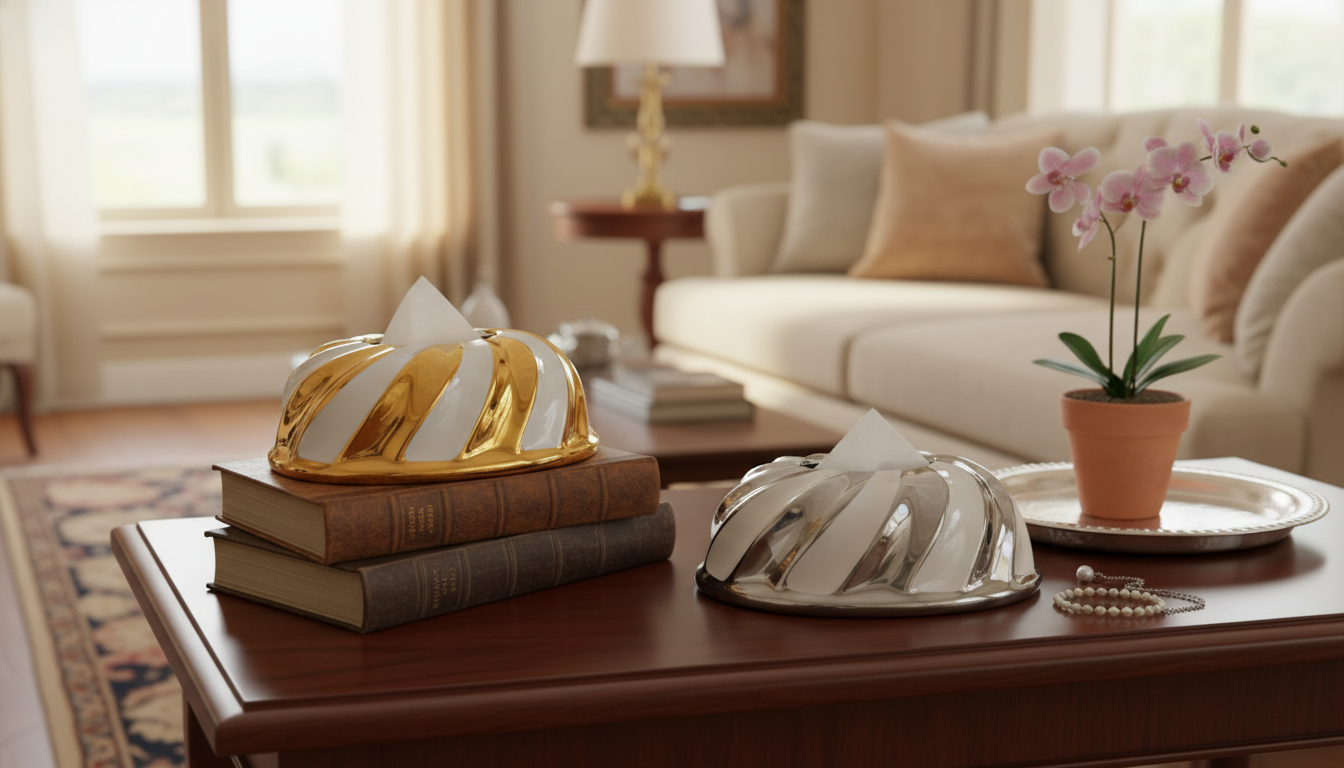
Antique Ceramic Tissue Box: A Small Detail That Changes the Room
A tissue box can do more than disappear into the background. An antique-inspired ceramic holder brings weight, gloss, and old-world character to a vanity, powder room, bedside table, or office—turning an everyday item into a small decorative focal point. Instead of seeing bright cardboard packaging, you get a piece that feels collected, intentional, and ready to sit out in the open.
For homes that lean classic, cottage, grandmillennial, or eclectic, ceramic is an easy “finishing touch” material: it reflects light, pairs beautifully with metal hardware, and looks equally at home beside glass apothecary jars or a modern tray.
What Makes an Antique-Style Ceramic Tissue Box Special
- Visual warmth: Vintage-inspired silhouettes, gentle curves, and glazed surfaces create a lived-in look that feels curated rather than disposable.
- Substantial presence: Ceramic adds heft, so the holder stays put when you pull a tissue—no more chasing a lightweight box across the counter.
- Elevated everyday styling: The “everyday essential” becomes part of the décor, working seamlessly with both traditional and mixed-era spaces.
- Display-friendly: Designed to live on countertops and consoles without looking like clutter.
Design Details to Look For
- Silhouette: A lidded cover reads more “antique” and tailored, while an open-top style feels casual and quick-access. Rounded corners soften a space; crisp edges feel more formal.
- Opening style: A centered slot should be sized for smooth dispensing without tugging or tearing—especially important for 2-ply tissues that can catch on tight openings.
- Surface finish: High-gloss glaze looks polished and clean; crackle or distressed-style finishes hint at age and patina without actual wear.
- Decor elements: Subtle relief, banding, or ornament-like accents provide character. The most versatile “antique” pieces keep detailing refined rather than overly busy.
Materials and Craftsmanship Notes
- Ceramic body: Glazed ceramic is typically more stain-resistant and easier to wipe down, a practical perk in bathrooms and kitchens.
- Glaze quality: Even coverage and consistent color matter most in bright lighting, where patchiness or thin glaze can stand out.
- Stability: A flat base helps prevent rocking on stone counters. If the base is unglazed or you want extra protection, a thin felt pad can reduce sliding and scratching.
- Practical durability: Ceramic holds up well to daily use but can chip if dropped—so placement near hard edges (or where it can be knocked over) is worth considering.
For a deeper look at ceramic traditions and why glaze, form, and decoration have remained so enduring, the Victoria and Albert Museum ceramics collection and the Metropolitan Museum of Art’s Heilbrunn Timeline of Art History provide helpful context. For everyday care guidance across household objects, the Smithsonian Museum Conservation Institute is a trusted reference point.
Where It Fits Best at Home
- Bathroom vanity: Coordinate it with a soap dispenser, a small tray, or lidded jars for a cohesive vignette.
- Bedroom nightstand: Keeps tissues close while looking more intentional than branded packaging—especially nice in guest-ready bedrooms.
- Living room console: Blends with framed photos, candles, and decorative boxes while staying practical for everyday life.
- Home office: Adds personality to a desk without creating visual clutter.
- Guest room: A small hospitality touch that reads thoughtful and welcoming.
Sizing, Compatibility, and Setup
- Measure the refill: Cube and rectangular tissue boxes differ. If interior dimensions are listed, compare them to your preferred refill style before purchasing.
- Refill method: Look for a lid that lifts cleanly so refills don’t snag or crumple on the way in.
- Dispensing feel: The slot should guide tissues out smoothly. If the opening is too tight, the first few pulls can tear or “rope.”
- Placement tip: If you expect frequent water pooling, place it slightly away from direct sink splash zones and wipe standing water promptly.
Style Pairings: Creating an Antique-Looked Moment
Care and Cleaning
Quick Comparison: Ceramic vs. Common Alternatives
| Material | Look and feel | Best for | Things to note |
|---|---|---|---|
| Ceramic | Glossy, substantial, vintage-leaning | Vanities, consoles, guest rooms | Can chip if dropped; wipe gently |
| Wood | Warm, natural, textured | Rustic, farmhouse, cozy spaces | May need care around water; can warp if soaked |
| Metal | Crisp, clean-lined, modern | Offices, contemporary bathrooms | Can show fingerprints; edges vary by design |
| Acrylic | Light, minimal, understated | Small spaces, modern décor | Can scratch; less “heirloom” presence |
A Gift That Feels Thoughtful (Not Generic)
Featured Options Available Now
- Antique Ceramic Tissue Box — a decorative ceramic holder designed to elevate everyday tissues with an antique-inspired presence.
- 65W GaN USB C Fast Wall Charger with Quick Charge — a compact desk or nightstand companion that keeps devices powered without a bulky adapter.
- Personal AI Productivity Companion Toolkit | 10-in-1 AI Virtual Assistant Bundle — a digital add-on that pairs naturally with a streamlined, better-looking home office setup.
FAQ
Will a ceramic tissue box holder work in a humid bathroom?
Yes—glazed ceramic generally handles humidity well. Wipe off standing water when it collects, and avoid abrasive cleaners that can dull the finish over time.
How can a tissue box holder look antique without looking outdated?
Choose a piece with subtle ornamentation and a balanced silhouette, then pair it with cleaner modern elements like a simple tray, neutral towels, and an uncluttered countertop. That mix keeps the look warm and collected, not heavy.
How do refills fit inside most ceramic tissue box covers?
Typically, you lift off the lid, place the tissues inside (often removing the cardboard box if the fit is snug), and pull the first tissue through the slot before closing. A centered opening helps the tissues feed smoothly as you use them.











Leave a comment