Nose Hair Trimmer for Ear Hair: Safe Use Guide
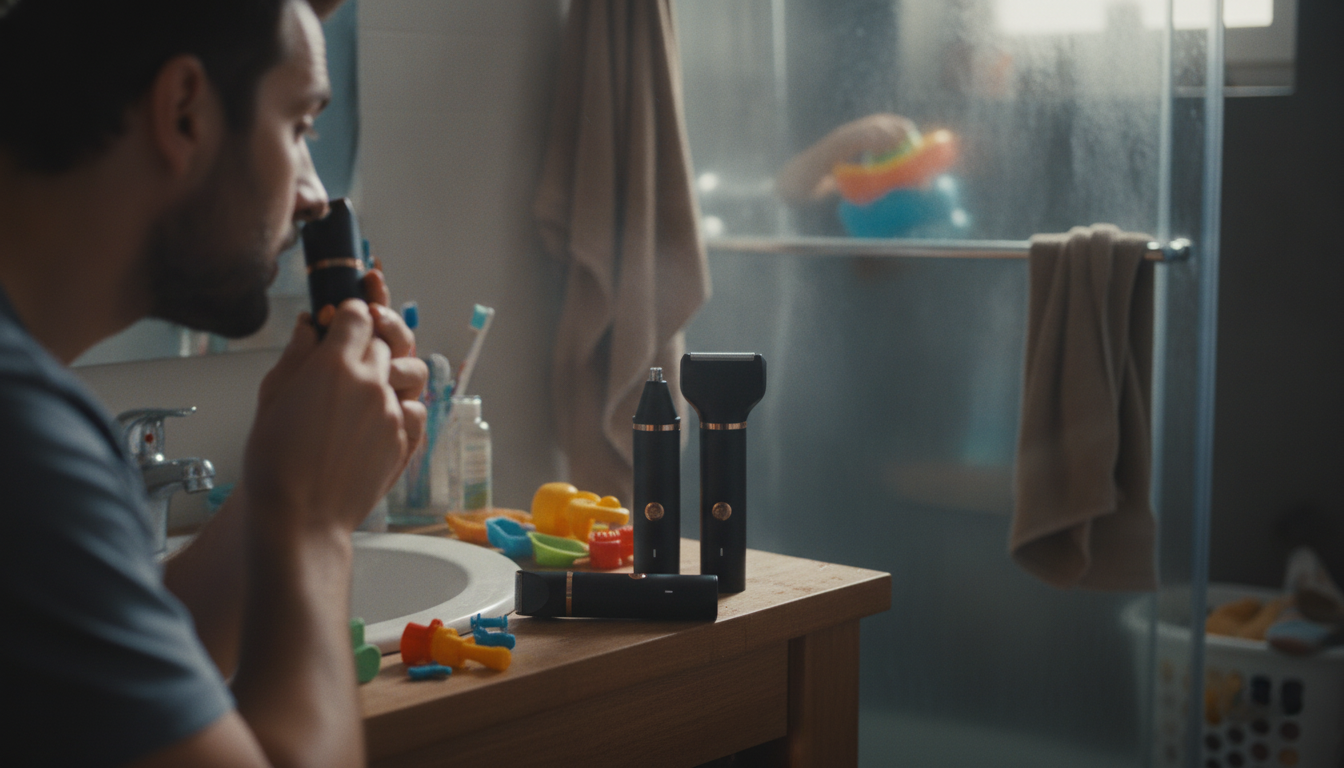
Can you use a nose hair trimmer for ear hair?
Yes—most nose hair trimmers can be used for ear hair, as long as you’re trimming the hair at the outer ear opening and not inserting the device deep into the ear canal. Nose/ear trimmers are typically designed with a guarded tip and circular cutting system that helps reduce nicks, making them a practical option for quick grooming in both areas.
How to do it safely
Start with a clean, dry ear area and good lighting. Turn the trimmer on before it touches your skin, then gently move it around the rim of the ear opening and the visible outer canal entrance. Use light pressure—let the trimmer do the work. If you feel any discomfort, stop immediately.
It also helps to trim after a shower (once the ear is dry), since hair is softer and easier to cut. Avoid sharing trimmers, and disinfect the tip after every use to reduce the chance of irritation or infection.
What not to do
Don’t push a nose hair trimmer deep into the ear canal. Ear hair provides a protective function by helping trap dust and debris, so the goal is tidying what’s visible—not removing everything. If you have ear pain, drainage, tinnitus, frequent infections, or a history of eardrum problems, skip at-home trimming and consult a clinician.
When a dedicated ear trimmer may be better
Many “nose trimmers” are already marketed as nose-and-ear tools, but some dedicated ear trimmers offer slightly different angles, guards, or attachments for detailing around the outer ear. If your current device feels awkward to maneuver or misses hairs around the ear’s contours, an ear-specific attachment or model can be easier to control.
For more detailed guidance and additional tips on choosing the right tool, visit the full guide: https://enticingwaresbay.shop/can-you-use-a-nose-hair-trimmer-for-ear-hair/.
FAQ
Is it safe to pluck ear hair instead of trimming it?
Plucking can irritate the follicle and increase the risk of ingrown hairs or infection, especially in sensitive ear skin. Trimming is usually gentler and easier to control.










Leave a comment