Prada Secondhand Checklist: Authenticity, Wear, Price
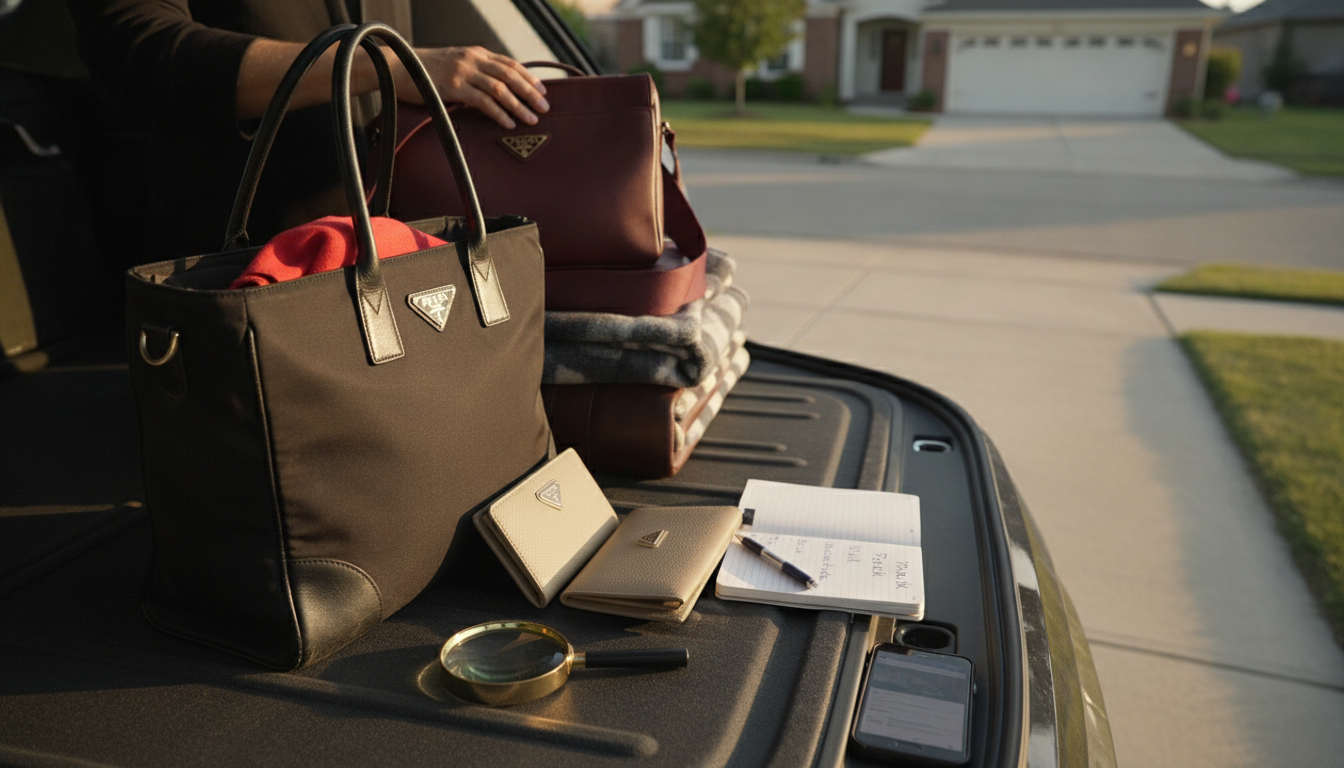
What should you check before buying Prada secondhand to avoid a bad purchase?
Secondhand Prada can be an incredible find, but only if the piece is authentic, in acceptable condition, and priced fairly for what you’re getting. Before paying, run through a short checklist that protects you from counterfeits, undisclosed damage, and “too good to be true” listings.
1) Verify authenticity with multiple details (not just a card)
Start with high-resolution photos of the logo plaque, interior heat stamp, hardware engravings, zipper pulls, and stitching. Prada details are usually crisp, centered, and consistent—blurry embossing, uneven spacing, or sloppy stitching can signal a fake. Don’t rely on authenticity cards alone; they can be replicated. Ask for close-ups of serial/production tags (when present) and compare materials and fonts to known authentic examples from the same era and model.
2) Confirm the exact model, size, and materials
Get the official style name (or a clear description) and measurements. Nylon, Saffiano leather, and brushed leather all wear differently and should match the listing’s description. If the seller can’t provide basic dimensions or clear photos of the material texture, proceed cautiously.
3) Inspect condition where Prada shows wear first
Request photos of corners, base, handle/strap attachment points, zipper tracks, and interior lining. Look for corner rubbing, strap cracking, tarnished hardware, sticky peeling (especially on older coated interiors), and odors or staining. If a bag has been “repaired,” ask what was done and by whom—poor repairs can reduce lifespan and resale value.
4) Check included accessories and what’s missing
Dust bags, straps, clochettes, and detachable pouches can affect value and usability. Confirm exactly what’s included in writing and match it to the specific model’s standard components.
5) Evaluate price against the risk
A steep discount can be legitimate, but it should make sense given condition, year, and demand. If you’re weighing whether a particular Prada piece is worth the spend overall, see the deeper breakdown here: Is Prada worth it? Iconic vs. overhyped guide.
6) Use safer buying terms
Prioritize platforms with buyer protection, pay with methods that allow disputes, and avoid off-platform payments. Ask about return windows and keep screenshots of the listing and messages.
FAQ
How can you tell if a Prada bag is real without a receipt?
Ask for detailed photos of the logo, heat stamp, hardware engravings, stitching, and interior tags, then cross-check consistency with known authentic examples of the same model and year. A missing receipt isn’t a dealbreaker, but vague photos and inconsistent details are.







Leave a comment