How Gucci Runway Ideas Become Everyday Street Style

How do Gucci’s runway collections influence what becomes popular in everyday street style?
Answer
Gucci runway collections often act like a style “prototype” lab: they introduce bold ideas first, then those ideas get edited down into wearable pieces that show up on sidewalks, in social feeds, and eventually in mainstream stores. The influence doesn’t happen overnight—it moves through a chain of visibility, reinterpretation, and accessibility.
First, runway looks create a clear visual story. When Gucci leans into a distinct theme—like maximalist layering, retro tailoring, or logo-forward accessories—it gives stylists, editors, and creators a ready-made set of cues to borrow. Even if the full head-to-toe outfit feels theatrical, one detail (a color combo, a silhouette, a shoe shape) can be lifted and repeated until it feels familiar.
Second, accessories translate fastest. Bags, belts, sunglasses, and sneakers carry the runway mood without requiring someone to commit to a full fashion statement. A single recognizable element—like a horsebit detail or a vintage-inspired monogram—can shift what people consider “current,” and it’s easy to mix into everyday outfits with jeans, tees, and simple outerwear.
Third, street style thrives on remixing. People rarely copy runway looks exactly; they reinterpret them through budget, climate, and personal taste. A dramatic runway suit might become an oversized blazer with relaxed denim. A high-shine fabric moment can turn into a satin skirt paired with a plain sweatshirt. This “high-low” styling is where runway influence becomes real-world trend.
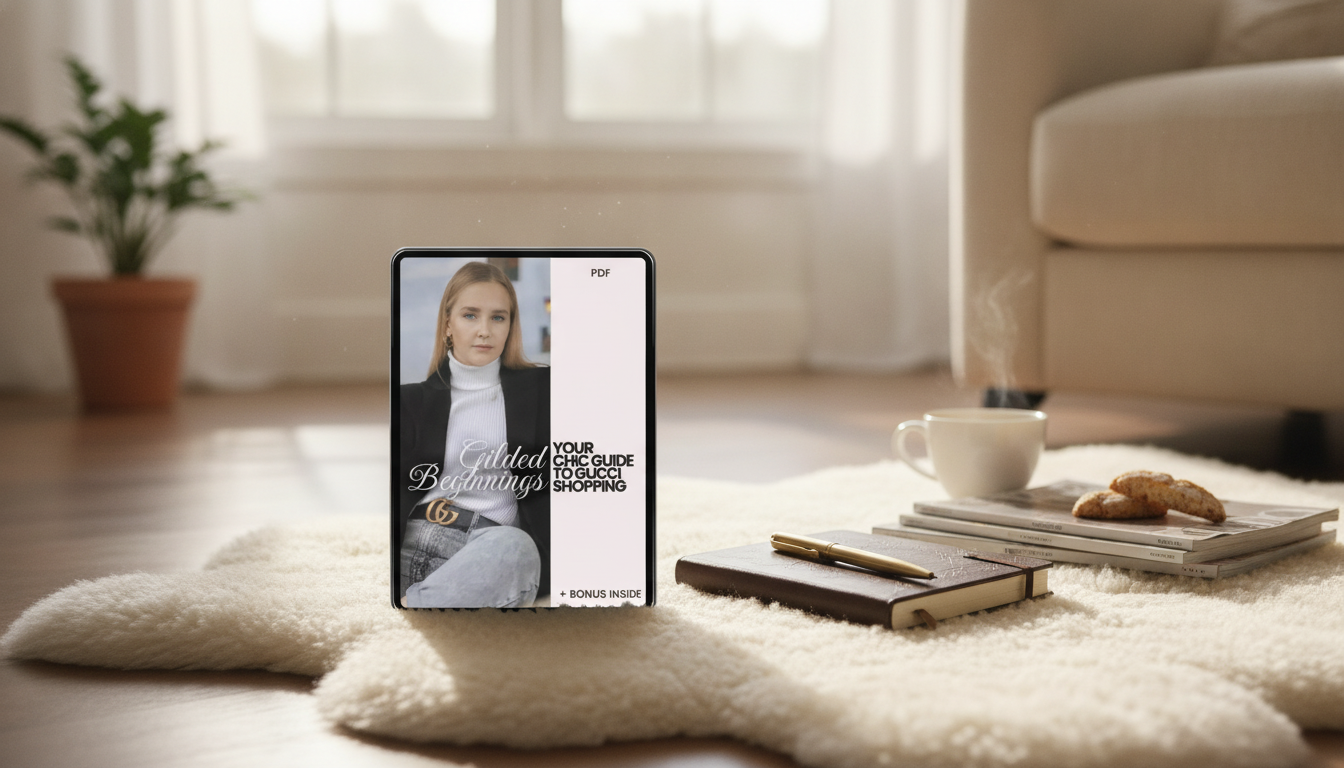
Finally, cultural momentum does the rest. Celebrity outfits, red-carpet styling, and influencer posts amplify certain Gucci cues, while fast-fashion and resale platforms help similar shapes and motifs spread quickly. If you want to understand the repeating codes Gucci returns to—and how to wear them without feeling costume-y—start with this guide: Gucci style evolution, codes, eras, and how to wear them.
FAQ
What are Gucci “style codes,” and why do they keep coming back?
Gucci style codes are signature details—like specific hardware, stripes, logo treatments, and silhouette cues—that the brand revisits across different eras. They return because they’re instantly recognizable and easy to reinterpret for new seasons and personal styling.









Leave a comment