Valentino Buying Checklist: AI Prompts for Smart Designer Picks
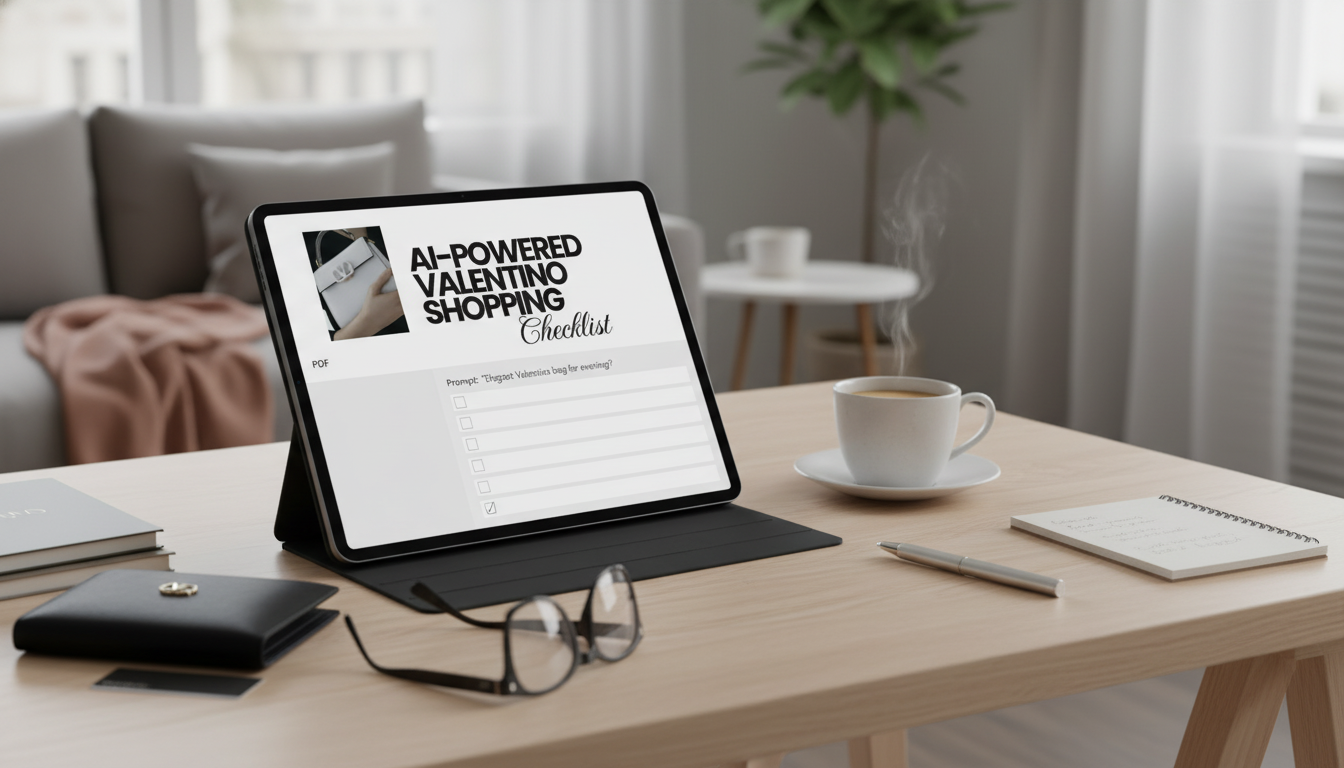
AI-Powered Valentino Shopping Checklist for Confident Designer Buys
Buying Valentino is easiest when decisions are made in the right order: authenticity, fit, condition, and total cost of ownership. A structured checklist keeps priorities clear whether shopping online, browsing a boutique, or comparing pre-owned listings—so the final pick matches wardrobe needs, lifestyle, and budget instead of just the moment.
Start With the Non‑Negotiables
Before looking at listings, lock in the decisions that prevent costly “almost right” purchases.
- Define the category and use case: sneakers for daily wear, heels for events, a bag for work travel, or a statement piece meant to do the heavy lifting for simple outfits.
- Set a true all-in budget: include taxes, shipping, duties, and realistic add-ons like protective soles, conditioning, cleaning, and alterations.
- Choose a color strategy: core neutrals (black, nude, ivory) maximize wear; seasonal colors deliver impact but demand more outfit planning.
- Decide if resale value matters: classics and widely recognized silhouettes typically hold value better than niche seasonal variations.
Quick buy/no‑buy decision grid
| Checkpoint | What to verify | No‑buy signal |
|---|---|---|
| Authenticity | Serial/label details, construction quality, seller reputation, clear photos | Refusal to provide closeups, inconsistent labels, unusually low price |
| Fit | Measurements, size conversion, toe box width, strap adjustability | No return option on uncertain sizing or uncomfortable proportions |
| Condition | Edge wear, corner wear, outsole wear, odor, stains, hardware scratches | Hidden damage, heavy repairs, peeling finishes |
| Cost of ownership | Repairs, resoling, cleaning, storage needs | Repair costs erase the deal or exceed the price of a better example |
| Wardrobe match | At least 3 outfits planned, seasonality considered | Only works with one look or duplicates an existing item |
Authenticity Checks That Matter Most
Authenticity is less about a single “tell” and more about a cluster of consistent signals. When one element looks right but others don’t, slow down and request more proof.
- Prioritize construction cues: even stitching, symmetry between left/right, clean edge finishing, and hardware that feels substantial rather than hollow.
- Request the photos that answer questions: interior stamps/labels, any date or production codes if present, soles, and closeups of logo placement and hardware engravings.
- Validate the seller and platform protections: history, clear return policy, and documented authentication steps reduce risk for higher-priced purchases.
- Compare against official imagery: proportions, logo placement, and material finish should align with reference photos from the Valentino Official Website.
For online transactions, keep consumer protections in mind—especially when listings are vague. The U.S. Federal Trade Commission (FTC) consumer guidance is a useful baseline for shopping safely and documenting issues if a purchase goes wrong.
Fit and Comfort: Shoes and Ready‑to‑Wear
Designer sizing can vary by last, toe shape, material, and season. The goal is to translate “size on the tag” into “comfort in real life.”
- Shoes: confirm EU/US/UK conversion, but rely on measurements when available—such as insole length, width at the ball, and heel height.
- Comfort variables: pointed toes reduce usable length; patent leather often feels tighter; mesh or fabric may stretch less predictably than soft leather.
- Ready-to-wear: prioritize garment measurements (bust/waist/hip, shoulder width, sleeve length) over tag size alone.
- Alterations: hemming and minor waist shaping can be straightforward; avoid major changes when the pattern, structure, or embellishments make tailoring risky or expensive.
Materials, Hardware, and Longevity
A Valentino piece should feel special on day one and still look intentional months later. Material checks help predict whether a “good deal” stays a good deal.
- Leather: look for consistent grain, natural-looking creasing (not cracking), and strong edge paint. Dryness at stress points can hint at improper storage.
- Patent finishes: watch for clouding, tacky/sticky feel, or micro-cracks. Patent benefits from careful storage away from heat and harsh cleaners.
- Textiles and knits: ask for closeups of high-friction zones (underarm, side seams, corners). Pilling and snags can spread quickly.
- Hardware: zippers should glide, clasps should close cleanly, and plating shouldn’t bubble or flake. Check that screws and fasteners sit flush.
Shopping Channels: New, Pre‑Owned, and Vintage
Where you buy changes what you should verify.
If you’re buying internationally, duties and import rules can materially change total cost. The World Customs Organization offers a helpful overview of how customs works across countries.
A Guided Question Set to Use While You Shop
Tools to Stay Organized While Comparing Options
- AI-Powered Valentino Shopping Checklist: AI Prompts for Valentino Shopping Tips (quick scripts for seller questions, comparison notes, and decision summaries)
- Personal AI Productivity Companion Toolkit | 10-in-1 AI Virtual Assistant Bundle (handy for organizing checklists, reminders, and side-by-side comparisons across purchases)
- 65W GaN USB C Fast Wall Charger with Quick Charge (useful for travel shopping days when you’re requesting photos, saving receipts, or doing video call inspections)
Care Plan After Purchase
FAQ
What details should be requested from a seller before buying Valentino online?
Ask for closeups of labels/stamps, soles and edges, hardware, interior lining, and any codes shown on the item. Request measurements and clear disclosure of repairs, odors, and flaws, and confirm the return policy and whether authentication is included.
How can condition be evaluated quickly on pre‑owned Valentino shoes or bags?
Focus on high-wear zones like toes, heels, corners, handles, and the interior lining, then check edge paint, stitching, and hardware scratches. Look for stains or odor and estimate likely repairs such as resoling or edge refinishing before deciding the price is truly worth it.
Are Valentino sizes consistent across styles?
No—fit can shift by toe shape, material, and the specific last used. Measurements and real comfort factors matter more than the printed size, especially with pointed-toe shoes and patent finishes.










Leave a comment