AI Meal Prep Checklist: Simple Weekly Plan + Shopping
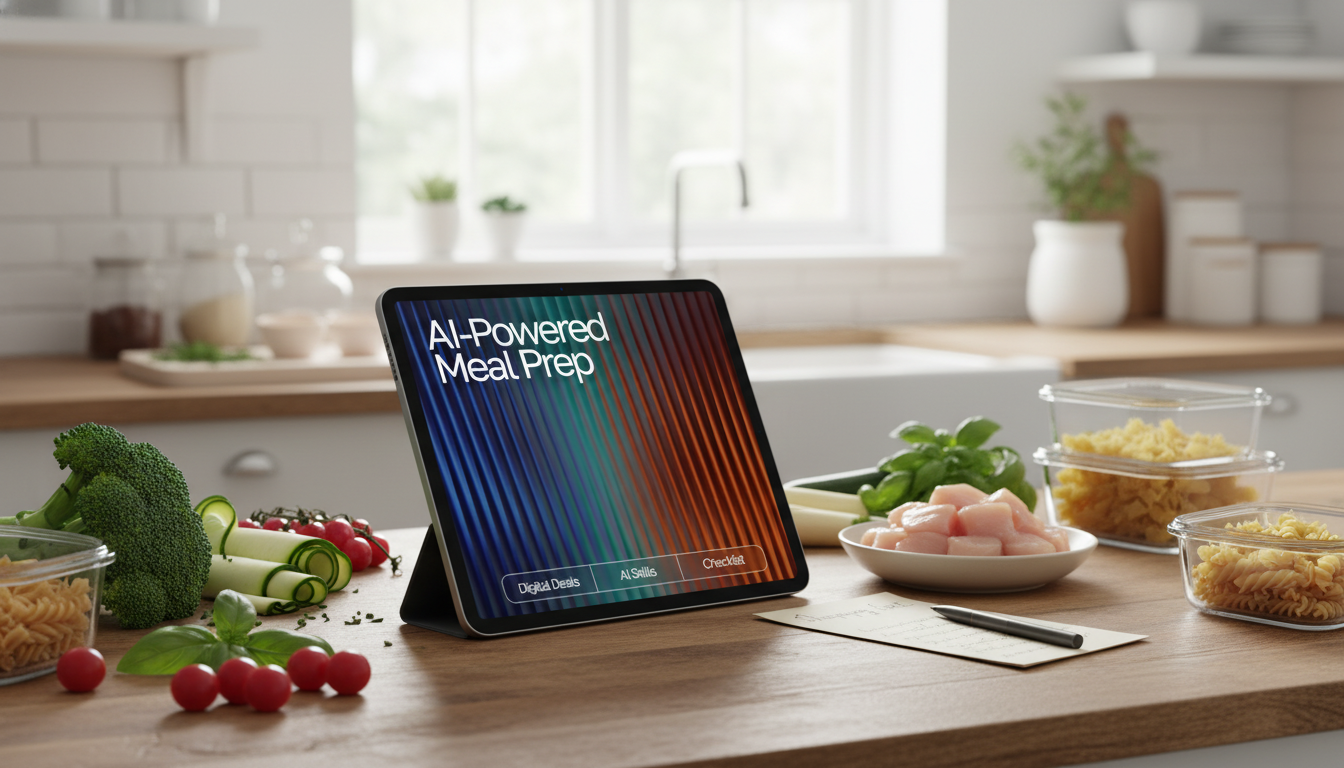
AI-Powered Meal Prep Checklist: Weekly Planning Made Simple
A simple weekly system turns meal prep from stressful to automatic. An AI-powered checklist helps map meals to your schedule, batch-cook efficiently, and shop with less waste—so weekday cooking stays organized without feeling like a second job.
What an AI-powered meal prep checklist does (and what it doesn’t)
An AI-powered meal prep checklist is best thought of as a repeatable routine builder. Instead of starting from scratch each week, it translates your preferences, time limits, and pantry items into a plan you can execute: plan → shop → prep → cook → store.
- Keeps decisions small: select a few core recipes, reuse ingredients, and assign prep tasks to specific days.
- Helps reduce food waste by aligning portions, perishability, and a clear leftover plan.
- Supports consistency: the checklist stays the same; only your recipe picks and quantities change.
- Doesn’t replace nutrition or medical advice; dietary needs still require personal judgment or a professional.
| Checklist element | What to decide | Why it matters |
|---|---|---|
| Meal map (7 days) | Which meals are cooked vs. assembled vs. leftovers | Prevents overcooking and last-minute takeout |
| Recipe short list (3–5 mains) | Core dishes + 1 flexible backup | Cuts decision fatigue and speeds shopping |
| Prep task list | Chop, marinate, cook grains, roast vegetables | Moves time-consuming steps off busy weekdays |
| Ingredient overlap plan | Shared veggies, sauces, proteins | Lowers cost and simplifies storage |
| Storage & reheat notes | Container type, shelf life, reheating method | Keeps texture and safety consistent |
Set up the week in 15 minutes: a practical workflow
The fastest weekly planning rhythm is “anchors + overlap + backup.” It keeps variety without turning Sunday into a strategy session.
- Step 1: Pick the week’s anchors (2–3 meals tied to the busiest days) and plan leftovers intentionally for one or two lunches.
- Step 2: Choose a prep day and a mini-prep day (example: Sunday + Wednesday) to keep ingredients fresh without overloading one session.
- Step 3: Limit novelty: keep 1 new recipe max per week; repeat the rest with small variations (spice, sauce, side).
- Step 4: Build a shopping list by category (produce, proteins, pantry, dairy/alternatives, frozen) and include quantities.
- Step 5: Add a rescue-plan meal (freezer option or 10-minute meal) for schedule disruptions.
How to use AI prompts responsibly for meal planning
AI works best when it’s grounded in real constraints. The more specific the inputs, the less time you’ll spend correcting the output.
- Provide constraints first: budget, cooking time, number of servings, dietary preferences, and equipment (air fryer, slow cooker, sheet pan).
- Add real inventory: list perishables and pantry staples to prioritize what should be used up.
- Ask for an ingredient-overlap plan: request meals that reuse 8–12 common items across the week.
- Request prep sequencing: ask for a prep order that minimizes dishwashing (sheet-pan first, then grains, then proteins, then sauces).
- Verify food safety details separately when in doubt, especially cooling and storage duration. Helpful references include the USDA FoodKeeper App and the CDC food safety guidance.
A weekly checklist that stays realistic: time, energy, and cleanup
A plan only “works” if it matches real life. A realistic checklist builds meals around energy levels and adds a little structure for cleanup so the kitchen doesn’t become the reason you quit.
- Match meals to energy: schedule low-effort meals on late-work days and cook-heavy meals on lighter days.
- Batch components, not full meals: cook grains, roast vegetables, and prep sauces so dinners assemble quickly without feeling repetitive.
- Use a two-container rule: keep one ready-to-eat container (salad kit, cut veggies) and one ready-to-cook container (marinated protein).
- Plan cleanup as a task: add a 10-minute reset (empty dishwasher, wipe counters, label leftovers).
- Keep portions consistent: decide what becomes dinner, lunch, and freezer portions before cooking starts.
For balanced plate ideas while keeping meals flexible, the Harvard Healthy Eating Plate is a practical visual reference.
Shopping list strategy: fewer trips, less waste
Shopping gets easier when your list is built from your meal map and overlap plan—not random cravings. The goal is to buy what you’ll use, when you’ll use it.
Storage, labeling, and reheating notes that prevent meal-prep burnout
Digital download checklist: print, reuse, and refine
Recommended tool: AI-Powered Meal Prep Checklist (digital download)
- AI-Powered Meal Prep Checklist (digital download) is designed for weekly planning with clear steps and reusable structure.
- For an all-in-one planning setup that extends beyond meals (calendar blocks, routines, and weekly workflows), pair it with the Personal AI Productivity Companion Toolkit | 10-in-1 AI Virtual Assistant Bundle.
- If planning happens on a tablet or phone while cooking, the 65W GaN USB C Fast Wall Charger with Quick Charge helps keep devices powered during prep sessions and grocery runs.
Quick product details
| Item | Format | Price | Availability |
|---|---|---|---|
| AI-Powered Meal Prep Checklist | Weekly Planning Made Simple | Digital Download | AI Meal Prep Tips for the Week | Organized Cooking Guide | Digital download | $5.99 USD | In stock |
FAQ
Is there a free AI meal planner?
Some apps and AI tools offer free tiers or trials, but features like saved plans, grocery lists, and deeper customization are often limited. A practical approach is using a free tool for ideas while relying on a reusable weekly checklist to keep shopping, prep, and storage consistent.
What is an AI meal plan?
An AI meal plan is a weekly menu generated or refined using AI based on your preferences and constraints, often including recipes, serving sizes, a grocery list, and prep steps. It’s still important to double-check nutrition needs and food-safety guidance for your situation.









Leave a comment