AI Assistant vs AI Companion: Key Differences Explained
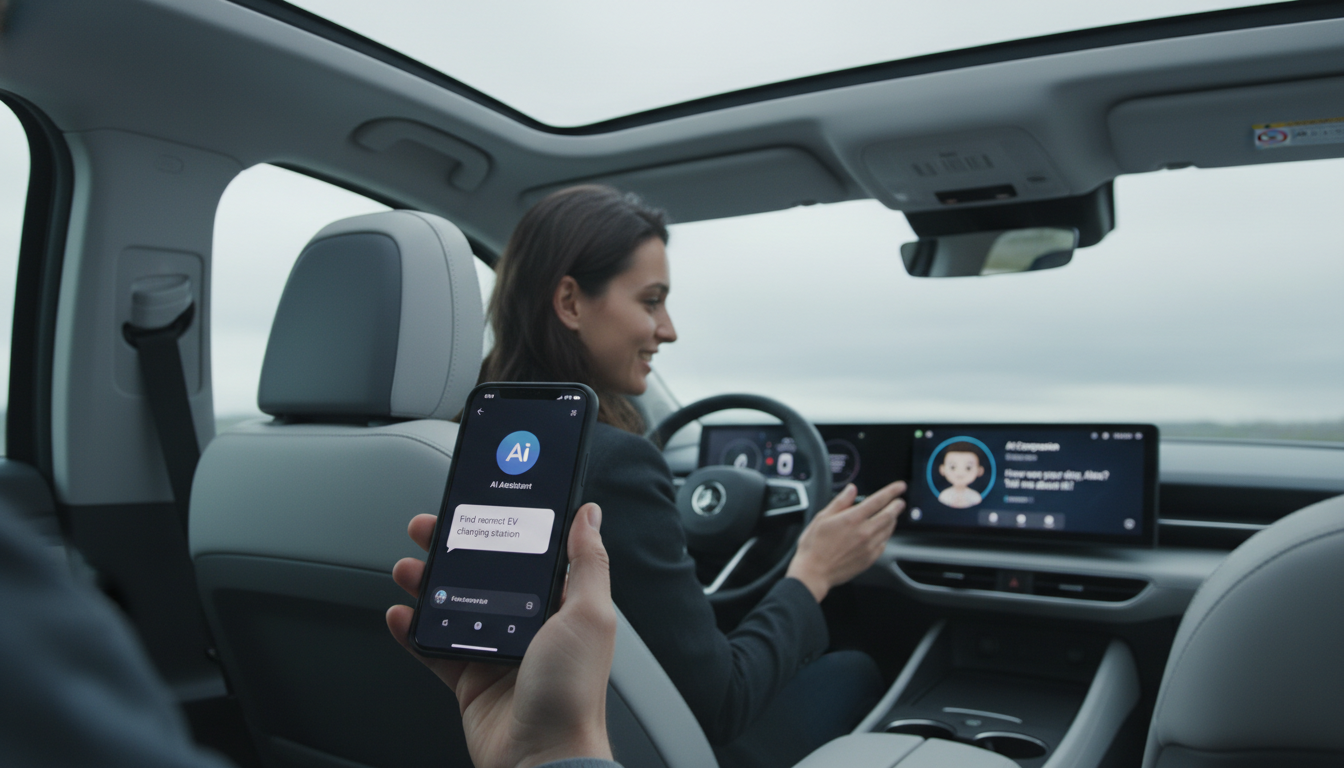
What is the difference between an AI assistant and an AI companion?
An AI assistant is built to help you complete tasks efficiently—think scheduling, drafting emails, summarizing documents, generating ideas, and automating workflows. Its value is measured by speed, accuracy, and how well it reduces manual effort. In short, an AI assistant acts like a practical helper focused on outcomes.
An AI companion is designed for ongoing interaction and support that feels more personal. It prioritizes conversation, encouragement, and continuity over time—often remembering preferences, adopting a friendly tone, and offering motivation or reflection. Instead of only “getting things done,” it aims to keep you engaged, supported, and less alone while you work or unwind.
How the goals differ
AI assistants optimize productivity and decision-making: they organize, calculate, draft, and execute. AI companions optimize experience and connection: they chat, check in, and help maintain habits or mood. Some tools blend both, but the core difference is whether the design is task-first (assistant) or relationship-first (companion).
How they behave day to day
An AI assistant typically asks clarifying questions to complete a request, then moves on. An AI companion is more likely to sustain a thread—following up later, offering reminders in a supportive tone, or turning routine tasks into a more interactive experience.
Which one should you choose?
If your priority is finishing work faster—planning, writing, brainstorming, and managing projects—an AI assistant is usually the better fit. If you want something that feels like a steady partner for focus, accountability, or stress relief, an AI companion may suit you more. Many people end up preferring a hybrid approach, using a companion-style toolkit that can also handle real productivity tasks.
For an example of a multi-use option that leans into “companion + productivity” in one place, see the full guide here: 10-in-1 AI Productivity Companion Toolkit.
FAQ
Can an AI companion help with productivity tasks?
Yes. Many AI companions can draft content, plan schedules, and provide reminders, but they may emphasize encouragement and continuity more than pure task efficiency.










Leave a comment