Best Non-Slip, Absorbent Bath Mat Material: Microfiber
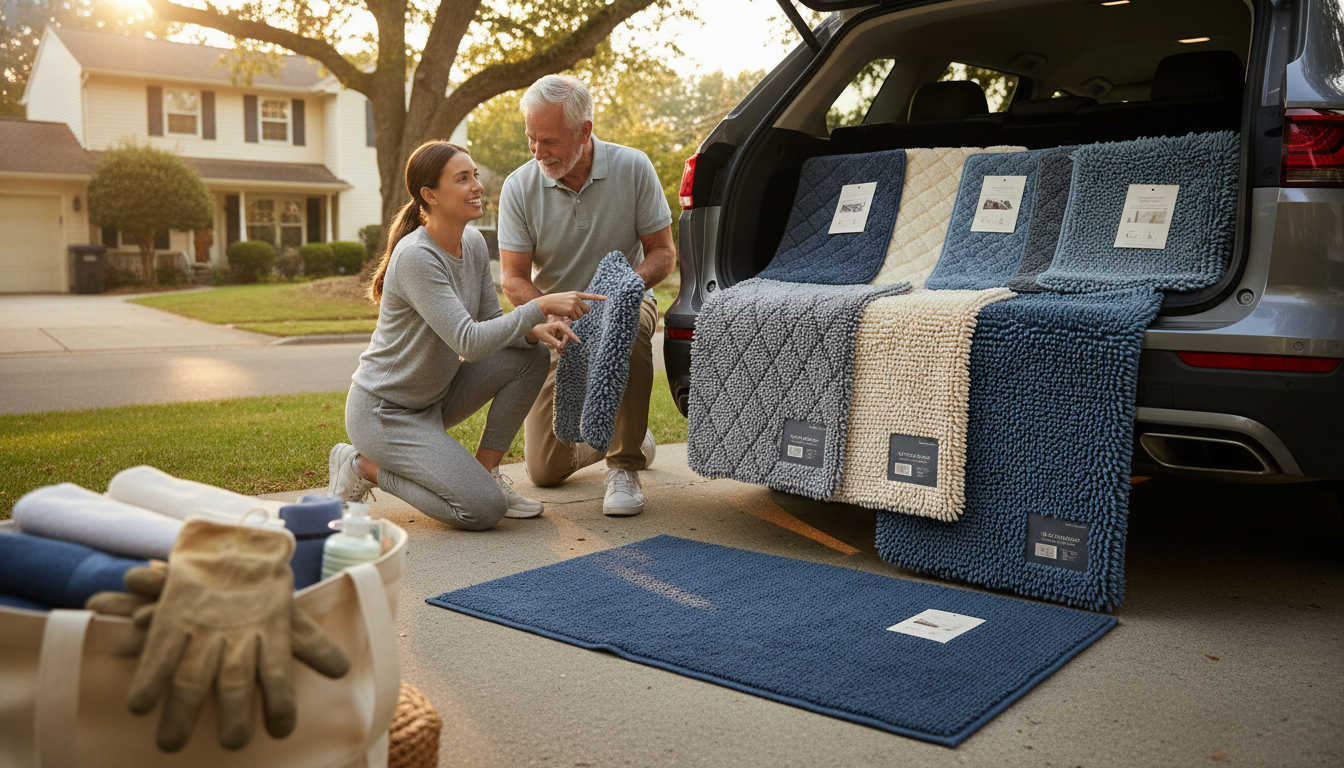
What is the best material for a soft, absorbent bathroom mat that won’t slip?
If comfort and safety are the priorities, the best all-around choice is a plush microfiber bath mat (often microfiber chenille or dense microfiber tufting) paired with a true non-slip backing—typically TPR (thermoplastic rubber) or natural rubber. Microfiber stands out because it feels cushy underfoot, pulls water off your feet quickly, and tends to dry faster than many thicker natural fibers when cared for properly.
The “won’t slip” part matters just as much as the top fabric. A soft mat can still skate across tile if the backing isn’t designed for grip. Look for mats labeled with a full-coverage TPR/rubber backing (not just scattered dots), and choose a size that sits flat without curling. On smooth bathroom floors, this backing style is usually more reliable than lightweight latex sprays that can wear down over time.
Why microfiber is a top pick
Microfiber fibers are very fine, which increases surface area and helps the mat absorb splashes and drips fast. Many microfiber mats also have a lofted, cushiony feel that’s comfortable after a shower. If you like a more decorative look without losing softness, tufted styles can combine plush texture with strong everyday performance.
What to check before buying (so it stays absorbent and stable)
First, confirm it’s machine-washable and that the backing is rated for washing—some rubberized backings crack if dried on high heat. Second, choose a thicker pile if you want spa-like softness, but avoid overly tall shag if it tends to trap dampness in your space. Third, make sure the mat is used on a clean, dry floor for the best grip (dust and moisture under the mat can reduce traction).
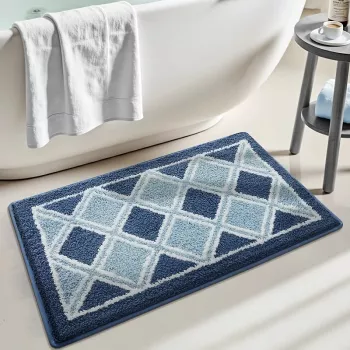
For a closer look at a soft, decorative option that’s designed with traction in mind, see this guide: Vintage Diamond Tufted Bath Mat Soft Non-Slip Rug.
FAQ
How do I keep a bathroom mat from getting musty?
Hang it up to dry between uses, and wash it regularly according to the care label. Good ventilation (fan or open door) helps the fibers dry faster and prevents mildew smells.










Leave a comment