Look Expensive on a Budget: Polished Style for Women
How to Look Expensive on a Budget (Female)
Looking “expensive” isn’t about having a huge closet or chasing logos—it’s about polish, fit, and a few smart choices that read intentional. With a budget, the goal is to make every outfit look curated, not cluttered.
Answer
1) Prioritize fit over price tags
A $20 blazer that fits your shoulders and nips slightly at the waist will look more high-end than a $200 one that pulls, gaps, or bunches. If you can, budget a little for simple tailoring (hemming pants, taking in a waist, adjusting sleeves). Fit is the fastest “luxury upgrade.”
2) Build a neutral base and repeat it confidently
Neutrals look refined because they mix seamlessly: black, cream, camel, navy, gray, and chocolate. Try a uniform approach—straight-leg trousers + fitted tee + structured layer—then rotate colors and textures. Re-wearing a consistent silhouette looks deliberate, not repetitive.
3) Choose structured, minimal pieces
Clean lines read expensive: a crisp button-down, a knit top without flashy graphics, a midi skirt with a smooth drape, a simple trench, or a blazer with shape. Avoid overly thin fabrics that cling or shine; look for thicker knits, ponte, denim with structure, and lined skirts when possible.
4) Upgrade your accessories strategically
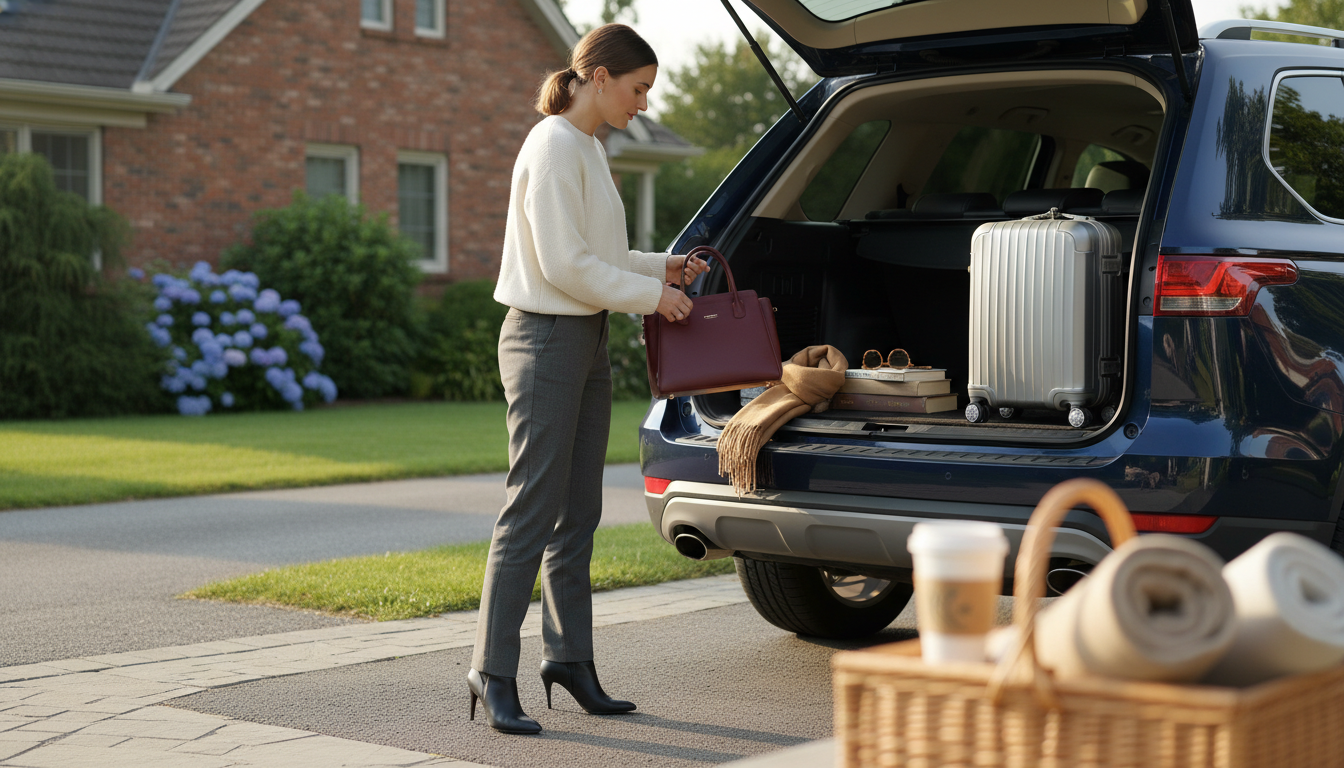
Two areas do the most work: shoes and bag. Pick one “go-to” pair of sleek flats, loafers, or low heels in a solid neutral, and a structured bag with minimal hardware. Keep jewelry cohesive—small hoops, a simple chain, or one statement piece (not all at once).
5) Make grooming part of the outfit
Pressed clothing, de-linted fabric, clean nails, and tidy hair instantly elevate even a basic outfit. Add a signature touch like a neat bun, a soft fragrance, or a crisp lip color.
6) Plan outfits to avoid impulse buys
Outfit planning helps you see gaps (like a belt or layering top) instead of buying random pieces. For a simple way to organize looks and build polished combinations, use the tools in this guide: Budget Style Bundle 5-in-1 Digital Outfit Planner.
FAQ
What colors look the most expensive?
Deep neutrals and rich basics like black, navy, cream, camel, gray, and chocolate tend to look elevated. Monochrome outfits in these shades also appear especially polished.








Leave a comment