Budget-Friendly Fashion Style: Build a Chic Capsule
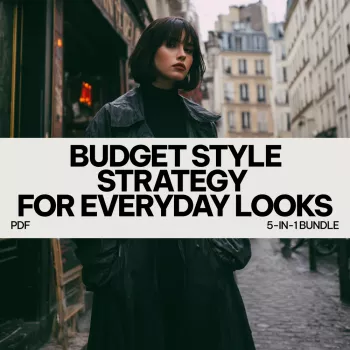
How to create a budget friendly fashion style
A budget-friendly fashion style is less about chasing constant newness and more about building a small, flexible closet that mixes well. Start by choosing a simple color palette (neutrals plus one or two accent colors) so most pieces work together. Then focus on fit: a $20 pair of jeans that fits perfectly will look better than an expensive pair that doesn’t.
1) Shop your closet first
Pull out everything you already own and group items by type (tops, bottoms, layers, shoes). Identify gaps that prevent outfit-making—like lacking a versatile jacket or a pair of clean white sneakers—rather than buying random trendy items that only work one way.
2) Build a “core” capsule before extras
Prioritize a few repeat-wear staples: a great-fitting pair of jeans or trousers, a neutral tee, a button-down, a layering sweater, and one polished outer layer. These pieces do the heavy lifting across seasons and make cheaper trend items look intentional.
3) Use a cost-per-wear mindset
If you’ll wear something weekly, it’s worth spending a little more for better fabric and construction. Save on items that get fewer wears—like bold prints or event-only pieces—by buying secondhand or during off-season sales.
4) Elevate with simple styling upgrades
Tuck or half-tuck tops, add a belt, and stick to streamlined shoe choices to instantly look put-together. Accessories can be minimal: small hoops, a structured bag, or a clean watch create polish without a big spend.
5) Plan outfits to prevent impulse buys
Outfit planning keeps purchases focused on what you’ll actually wear. For a step-by-step system (including bundle ideas and ready-to-use planning tools), visit this budget style bundle guide.
FAQ
How to look expensive on a budget female
Choose well-fitting basics in solid colors, keep shoes and bags clean and structured, and limit logos. Simple grooming details—neat hair, pressed clothing, and minimal jewelry—make even affordable outfits look polished.








Leave a comment