Travel Safety System: Prepare, Prevent, Respond
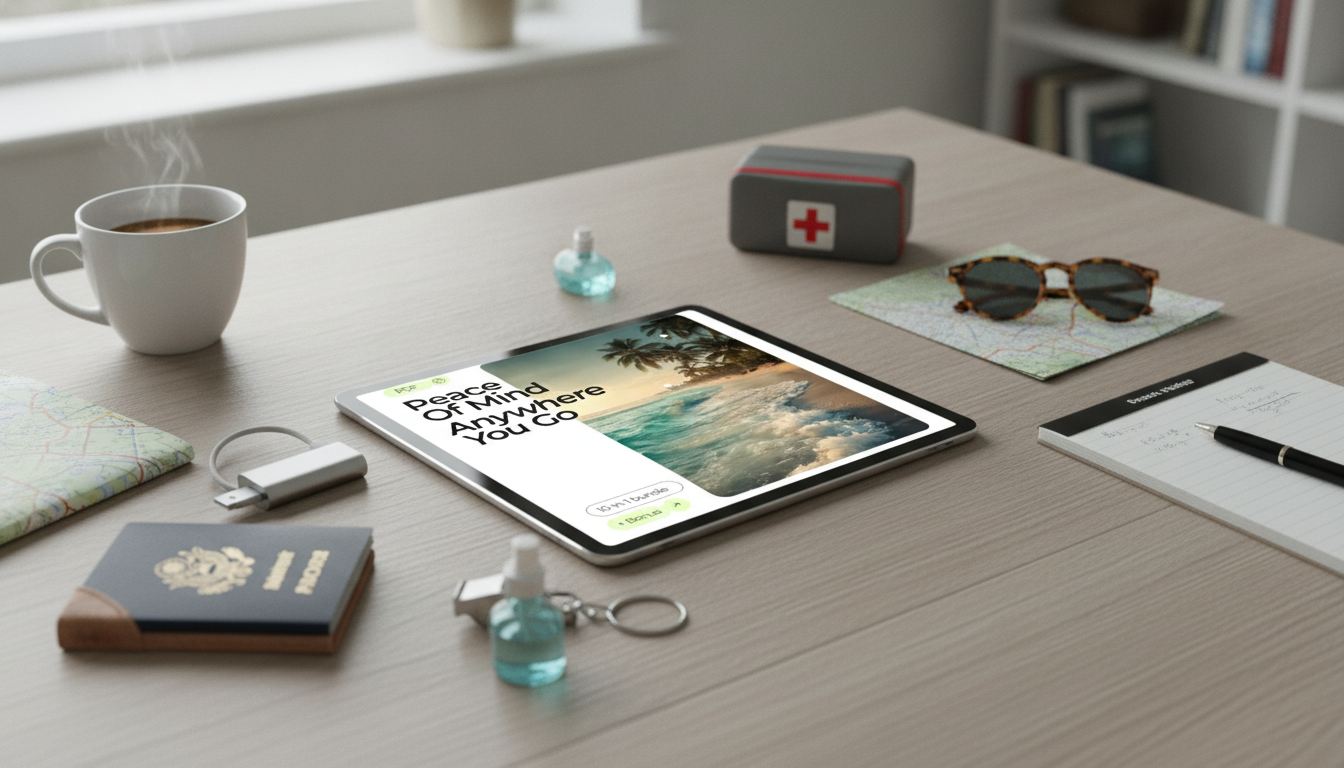
Your Ultimate System to Maintain Peace of Mind Anywhere
Feeling safe abroad is rarely about one trick—it’s a repeatable system that reduces uncertainty before departure, builds situational awareness on the ground, and gives clear steps to follow if something goes wrong. This tips bundle is designed to help turn common travel anxieties into practical routines.
What “peace of mind” looks like when traveling
Peace of mind isn’t the absence of risk—it’s the presence of reliable defaults. When the basics are handled, you spend less energy second-guessing and more energy enjoying where you are.
- Confidence in the basics: lodging, transport, money access, and communication are set up before arrival.
- Lower decision fatigue: simple default rules for neighborhoods, nightlife, and transit.
- Fast recovery: a plan for lost phone, missing wallet, medical issues, or unexpected changes.
- Calm presence: habits that reduce attention and help avoid preventable problems.
The three-layer safety system: prepare, prevent, respond
A simple way to stay steady is to think in three layers. Each layer is small on its own, but together they create a strong “always-ready” framework you can reuse for every destination.
| Layer | Goal | Practical setup |
|---|---|---|
| Prepare | Reduce uncertainty before landing | Save embassy info, register key addresses offline, set communication plan, confirm insurance and emergency numbers |
| Prevent | Lower the chance of becoming a target | Limit flashy items, keep one-card carry, use controlled phone use in public, choose transport rules |
| Respond | Recover quickly when something happens | Lost-phone steps, card-freeze workflow, medical access plan, trusted contact script |
For destination-specific advisories and updates, check official guidance such as the U.S. Department of State – International Travel and the World Health Organization – International travel and health.
Before departure: a calm, complete setup in under an hour
This is the “reduce uncertainty” phase. The goal isn’t to plan every minute—it’s to remove the handful of unknowns that tend to trigger stress later.
- Route and neighborhood screening: identify areas that are well-lit and transit-friendly, note common scams, and confirm late-night options for getting back.
- Document protection: store digital copies of passport/ID/insurance, and keep one physical backup separate from your wallet.
- Money access: travel with two payment methods, a small emergency cash stash, and make sure your bank won’t flag transactions unexpectedly.
- Connectivity plan: decide on eSIM/SIM, download offline maps, and plan for battery reliability.
- Health prep: pack essential prescriptions, note allergies/conditions, and keep insurance details easy to retrieve.
- Communication plan: share itinerary and check-in windows with one trusted person at home.
If you want these steps packaged into a repeatable, quick workflow, the Your Ultimate System to Maintain Peace of Mind Anywhere – How to Feel Safe in a Foreign Country Tips Bundle is built around checklists and pre-written prompts so you’re not improvising right before you leave.
On the ground: habits that keep you aware without feeling paranoid
Good awareness is quiet and consistent. The aim is to notice more while “showing” less—no drama, no fear spiral, just steady habits.
- Arrival rule: slow down for the first hour—confirm directions, reduce distractions, and keep valuables secured until you’re settled.
- Phone discipline: step aside before checking maps; avoid displaying wallet and phone together.
- Transit defaults: prefer official queues, pre-booked rides, or clearly marked services when possible.
- Neighborhood sensing: notice lighting, foot traffic, and whether locals look relaxed or rushed.
- Nightlife boundaries: set a return time, choose well-lit routes, and keep drink security simple and consistent.
- De-escalation mindset: leave early when something feels “off,” even if it’s inconvenient.
One practical stress-reducer is eliminating “low battery” pressure when navigating, translating, or calling a ride. A compact fast charger like the 65W GaN USB C Fast Wall Charger with Quick Charge can help keep devices topped up during transit days and long layovers.
Lodging and personal security routines
Your lodging is your reset button. A few small routines can prevent common issues and speed up recovery when plans change.
- Room check: confirm the door locks, secondary latch, exits, and save the front desk contact immediately.
- Valuables strategy: carry less; store the rest; separate essentials so one loss isn’t catastrophic.
- Daily reset: each morning confirm the day’s plan, key addresses, and the simplest route back.
- Privacy basics: avoid posting real-time location or lodging details publicly.
- Local norm alignment: clothing and behavior that blends in usually reduces attention.
If something goes wrong: simple response playbooks
When an incident happens, speed matters—and panic burns time. Pre-deciding the first few steps keeps you calm and gets you back to normal faster.
For country-by-country travel advisories, you can also review the UK Foreign, Commonwealth & Development Office – Foreign travel advice as an additional reference point.
What’s included in the tips bundle and how to use it
To keep your system organized day-to-day (reminders, templates, and quick prompts), a structured companion like the Personal AI Productivity Companion Toolkit | 10-in-1 AI Virtual Assistant Bundle can help consolidate your travel routines into one place.
Tools that support the system (optional, practical add-ons)
FAQ
How can someone feel safe in a foreign country while traveling alone?
Use a repeatable routine: pre-save critical addresses, stick to clear transit defaults, keep valuables separated, set check-in windows with a trusted contact, and follow a prewritten response plan for common incidents.
What are the most important things to do on arrival day?
Move slowly, confirm directions, secure your valuables, save the lodging and local emergency contacts offline, and use official transport options before exploring.
What should be done first if a phone is lost or stolen abroad?
Secure accounts first (lock the device, change passwords, revoke sessions), restore communication (backup SIM/eSIM or alternate device), then recover navigation and payment access using your prepared backups.











Leave a comment