Saint Laurent Style Codes: Tailoring, Nightwear, Attitude
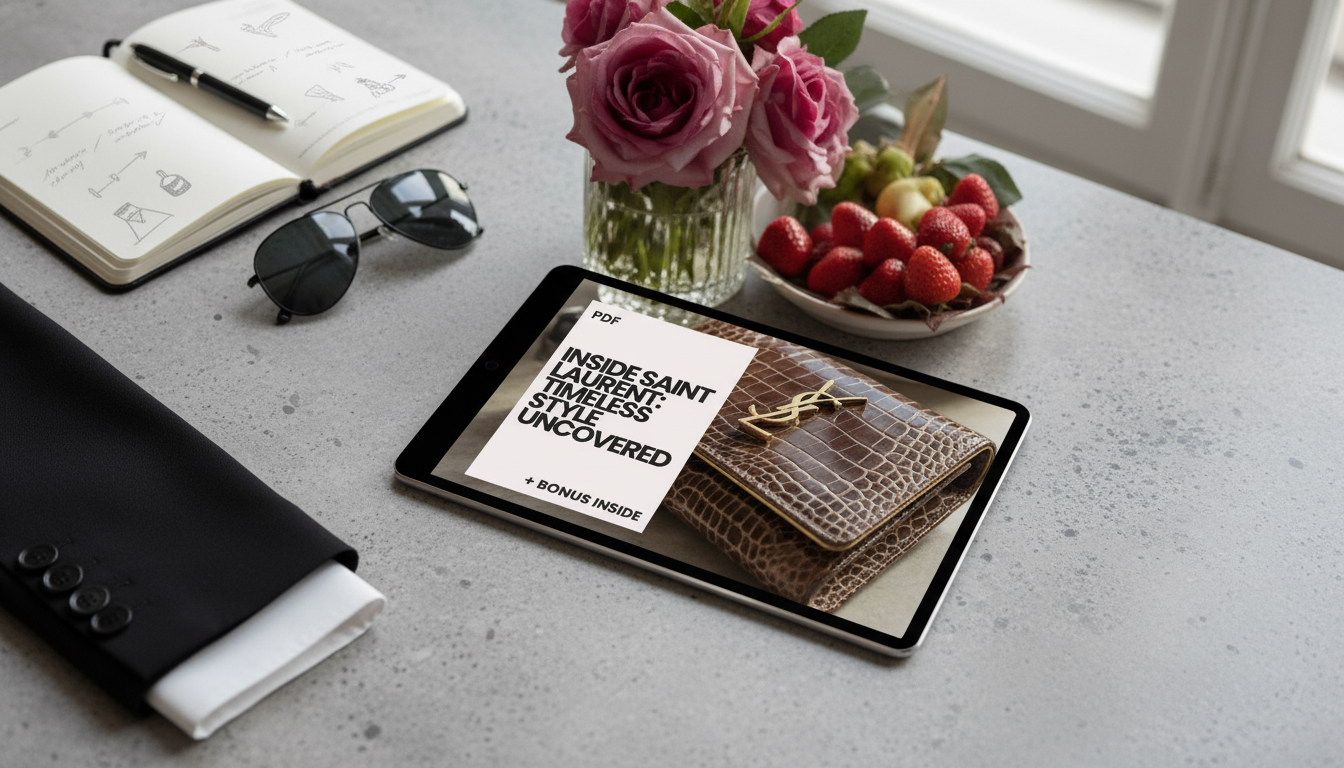
Inside Saint Laurent: Timeless Style Uncovered
Saint Laurent’s legacy blends sharp tailoring, cultural edge, and a distinctly modern idea of elegance. From foundational silhouettes to the house’s evolving codes, this guide breaks down what makes Saint Laurent recognizable at a glance—and how to appreciate the details that keep it enduring. For more guidance, see Yves Saint Laurent (designer) – Wikipedia.
What Makes Saint Laurent Instantly Recognizable
Even when seasons shift, Saint Laurent tends to read the same way from across a room: streamlined, confident, and precise. The house is known for clean, elongated lines—strong shoulders, narrow waists, and sleek proportions that feel assertive rather than ornate. You’ll also notice a signature tension between masculine tailoring and sensual styling: structured blazers offset by sheer elements, sharp suits grounded by minimal jewelry, and evening looks that feel controlled instead of fussy. For further reading, see The Collector’s Guide to Yves Saint Laurent – Sotheby’s.
Color plays a major role in that recognition. The palette is typically restrained, anchored in black, white, neutrals, and deep jewel tones, with occasional high-impact metallics for nightlife polish. Finishes do the rest of the talking—satin lapels, meticulous topstitching, refined hardware, and branding that’s purposeful and minimal rather than loud.
A Brief House History: From Couture Disruption to Modern Icons
Saint Laurent’s early years were defined by a willingness to challenge traditional dress codes and reframe “formal” through tailoring. The shift toward sharper, more direct silhouettes helped rewrite expectations around power dressing, particularly by elevating traditionally masculine wardrobe language into modern style for everyone who wanted that kind of authority and ease.
The “Rive Gauche” era expanded the label’s visibility by translating couture sensibility into ready-to-wear—keeping the attitude, but making the aesthetic more present in daily life and culture. Later creative eras continued to protect the core codes—sleek tailoring, evening allure, and rock-inflected confidence—while updating proportions and styling to match the moment.
The result is a brand identity that changes in mood, not in fundamentals: sharp, streamlined, and unapologetically modern. For brand background and milestones, the Encyclopaedia Britannica biography of Yves Saint Laurent provides helpful context, while the official Saint Laurent site reflects the current house codes through recent collections.
The Core Style Codes: Tailoring, Nightwear, and Attitude
Saint Laurent style is often easiest to understand as a set of repeatable “codes.” Tailoring sits at the center: tuxedo references, cigarette trousers, crisp shirting, and lapels that stay clean and narrow. Eveningwear follows the same discipline, emphasizing silhouette through draped jerseys, fluid dresses, and controlled sheerness that’s balanced by structure.
Texture is another signature tool. Leather frequently appears in jackets, skirts, and accessories to sharpen a look without overcomplicating it. Footwear finishes the line—sleek boots and refined heels that extend the leg and keep the posture upright. The overarching styling principle stays consistent: fewer elements, higher impact. One statement piece works best when anchored by disciplined basics.
| Style code | Common pieces | What to look for |
|---|---|---|
| Sharp tailoring | Blazers, tuxedo jackets, slim trousers | Crisp shoulder line, narrow lapels, clean seams |
| Evening minimalism | Slip dresses, draped tops, satin separates | Fluid fabric with controlled structure; subtle sheen |
| Rock edge | Leather jackets, dark denim, boots | Streamlined shapes; minimal embellishment; strong hardware |
| Monochrome palette | All-black looks, black-and-white contrasts | Texture mixing (wool + leather + silk) to add depth |
| Refined branding | Small logos, iconic hardware | Understated marks; recognizable shapes rather than loud graphics |
Materials and Craft Details Worth Noticing
Saint Laurent’s “clean” look depends on materials that hold their shape and finishing that stays invisible until you look closely. In wool tailoring, a dense, smooth hand-feel and crisp crease retention (especially in trousers) help maintain that long, uninterrupted line. With silk and satin, pay attention to drape and how the fabric catches light—quality pieces tend to reflect cleanly without looking overly shiny, and hems should feel precise rather than bulky.
Leather is a recurring signature, so grain consistency matters: look for even texture, uniform dye, and hardware that’s attached in a way that feels sturdy but refined. Construction clues also show up quickly in a fitting room—aligned patterns, symmetrical lapels, neat lining, and clean edge finishing are the small details that keep minimal design from looking flat.
Longevity is largely about habits: structured jackets store best with supportive hangers; silk does better with gentle cleaning and careful handling around friction points; leather benefits from occasional conditioning and mindful storage away from heat and direct sun.
Building the Look: Outfit Formulas That Feel True to the House
When the silhouette is the statement, styling becomes simpler. For daytime, a reliable Saint Laurent-leaning formula is a tailored blazer over a simple top with slim trousers and sleek loafers or boots. Keep accessories minimal and precise—one strong belt, one refined bag, or a single metal accent works better than a stack of details.
Inside Saint Laurent: Timeless Style Uncovered – A Guide to the Iconic Brand
If you want a tighter reference for the house’s signatures—what to look for, how to describe it, and why certain shapes read unmistakably “Saint Laurent”—the focused guide Inside Saint Laurent: Timeless Style Uncovered – A Guide to the Iconic Brand is designed to walk through those codes in an easy, practical way.
Practical Extras (In Stock)
- 65W GaN USB C Fast Wall Charger with Quick Charge (compact power for phones, tablets, and laptops on the go)
- Personal AI Productivity Companion Toolkit | 10-in-1 AI Virtual Assistant Bundle (helpful for organizing packing lists, outfit planning, and calendar-heavy travel weeks)
FAQ
Is saint laurent quiet luxury
Many Saint Laurent pieces fit quiet-luxury principles through clean lines, premium materials, and subtle branding. That said, the house can also lean into bolder, nightlife styling—so the “quiet” feel depends on your silhouette, color palette (often monochrome), and how visible the logos are.









Leave a comment