Plush High-Collar Dog Coat for Small Dogs This Fall
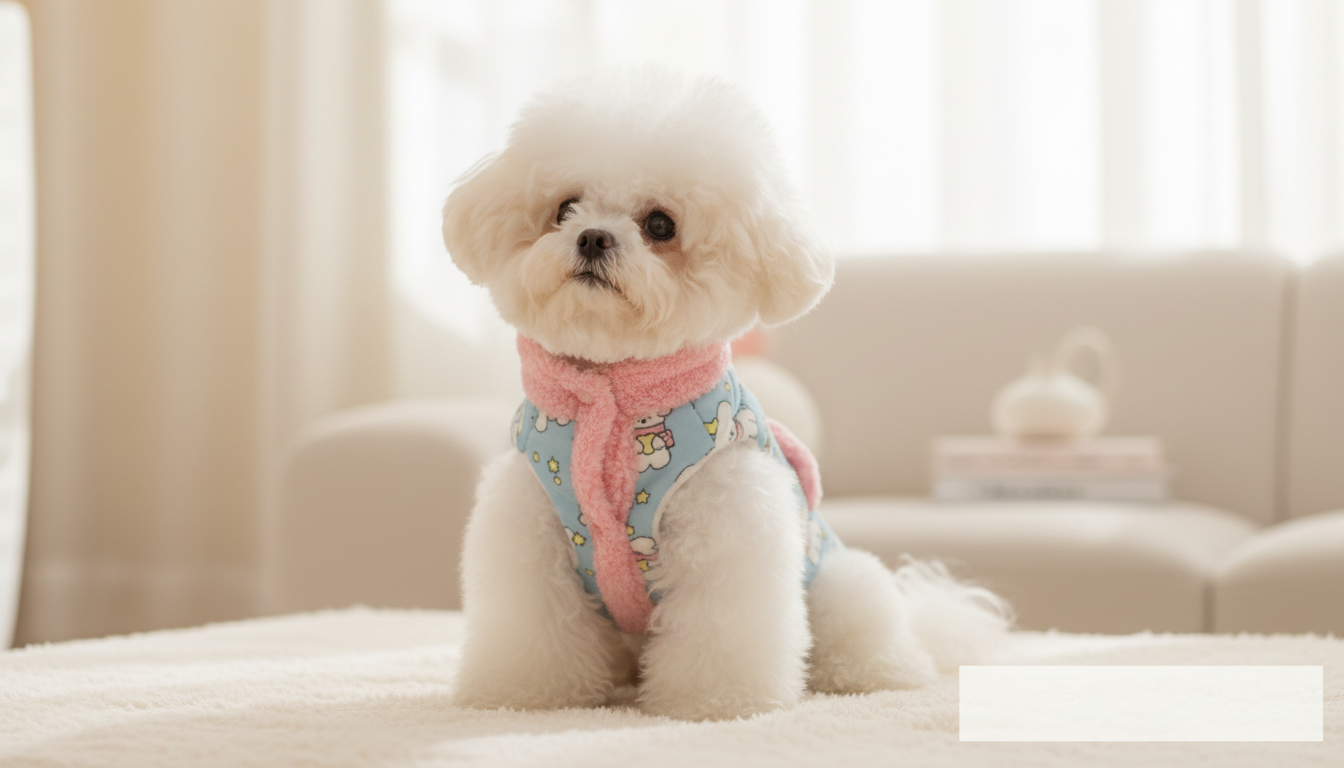
Autumn Plush Dog Coat with High Collar: Cozy Warmth for Small Dogs
Cooler days can make short walks uncomfortable for small dogs that chill easily. A plush tank-style coat with a high collar adds warmth around the chest and neck while keeping movement simple for quick outings, errands, and indoor lounging. For petite pups that cool down fast, the right layer can turn a brisk morning into a comfortable routine instead of a shiver-filled dash back indoors.
What This Coat Does Well on Chilly Days
- Adds an extra insulating layer for small dogs during cool autumn weather
- High collar helps reduce drafts around the neck area
- Tank-style cut supports easy on/off without complex straps
- Good option for quick potty breaks, neighborhood walks, and indoor comfort
- Lightweight warmth that won’t feel bulky for petite frames
Small dogs often lose body heat quickly because they have less mass to retain warmth. A simple plush coat can help maintain comfort without limiting their natural gait, especially when the weather feels “not freezing, but definitely cold” during fall transitions.
Soft Plush Feel and Warm Coverage
Plush fabric is popular for small-dog outerwear because it feels gentle against the coat while holding warmth close to the body. Instead of adding stiff layers, a plush finish can provide a cozy barrier that works well for short outdoor trips and lounging in cooler rooms.
- Plush fabric is designed to feel cozy against the coat while trapping warmth
- Warmth is focused where many small dogs lose heat fastest: chest and core
- High collar adds coverage without needing a separate snood
- Tank silhouette helps avoid bunching around legs on small-bodied breeds
The high collar is especially helpful on breezy days when wind sneaks under lower necklines. It also pairs well with harnesses for many dogs, as long as the coat doesn’t press into the throat area or shift when the leash tension changes.
Sizing and Fit Checklist (So It Stays Comfortable)
Warmth only works when the coat fits correctly. Too tight can restrict breathing and shoulder reach; too loose can twist, ride up, or let cold air funnel underneath. Before choosing a size, measure three key areas: neck, chest girth (the widest part), and back length.
- Measure neck, chest girth (widest part), and back length before choosing a size
- Aim for a secure fit that allows easy breathing and full shoulder movement
- Leave room for a finger or two under the collar and chest area—snug, not tight
- If between sizes, consider coat thickness and fur length; prioritize chest fit
- Check for rubbing at armpits and along the collar after a short trial walk
Quick Fit Check Before Heading Outside
| Fit area | What to look for | Adjust if you notice |
|---|---|---|
| Neck/high collar | Sits comfortably without pressing the throat | Lower the collar fold or size up if gagging/coughing occurs |
| Chest | No pinching; normal breathing while walking | Size up if tight across ribs or if coat rides upward |
| Shoulders/armholes | Front legs move freely with no chafing | Choose a roomier cut if rubbing behind front legs |
| Back length | Covers core while allowing tail to move freely | Size down if it bunches or curls up during walking |
After the first wear, do a quick “comfort scan”: check the underarm area, watch for skipping or shortened steps, and make sure the coat stays centered instead of rotating around the torso.
When to Use a Plush Tank Coat
A plush tank coat is a practical “in-between” layer—more than a shirt, less than heavy winter gear. It’s ideal when the air is crisp but not severe, or when a dog tends to shiver even indoors.
- Early morning or evening walks when temperatures drop
- Air-conditioned indoor spaces for dogs that shiver easily
- Car rides and quick outdoor stops where a full snowsuit is unnecessary
- Post-grooming or short-haired dogs that lose warmth faster
- Layering under a rain shell when it’s cool and damp
For cold-weather safety basics—like limiting exposure, watching for signs of hypothermia, and protecting paws—reliable guidance is available from the American Veterinary Medical Association (AVMA), the ASPCA, and the American Kennel Club (AKC).
Comfort and Safety Notes for Cold-Weather Clothing
- Avoid overheating indoors; remove the coat if panting or restlessness appears
- Make sure the collar doesn’t obstruct leash/harness positioning or airway comfort
- Keep fabric dry; wet plush can chill the body and reduce insulation
- Supervise around chewing—remove if the dog starts biting or pulling at seams
- For very cold weather, consider adding paw protection and reducing time outside
Pay attention to your dog’s behavior more than the calendar. Shivering, lifting paws, hunching, and trying to stop and turn back are common “too cold” signals—especially for toy breeds and seniors.
Care and Maintenance
At-a-Glance Product Details
Shop Related Picks (In Stock)
- Autumn Plush Dog Coat – Warm High Collar Tank Top for Small Dogs ($13.82)
- Large Multi-Level Cat Tree Tower with Hammocks, Condo & Scratching Posts ($63.01)
- 65W GaN USB C Fast Wall Charger with Quick Charge ($8.51)
FAQ
Is a high-collar dog coat safe for everyday wear?
Yes when it fits properly; ensure the collar doesn’t press on the throat, doesn’t restrict breathing, and doesn’t interfere with a harness or leash. Remove it if coughing, gagging, or overheating occurs.
How can sizing be checked if a dog is between sizes?
Prioritize chest girth fit, then check shoulder mobility and neck comfort. If the chest is snug or movement looks restricted, size up; if it slips or bunches, size down.
Can a plush dog coat be worn indoors?
Yes for dogs that get cold inside, but monitor for overheating and remove the coat if the dog seems too warm or starts panting.











Leave a comment