AI Meal Templates for Beginners: Easy Healthy Routine
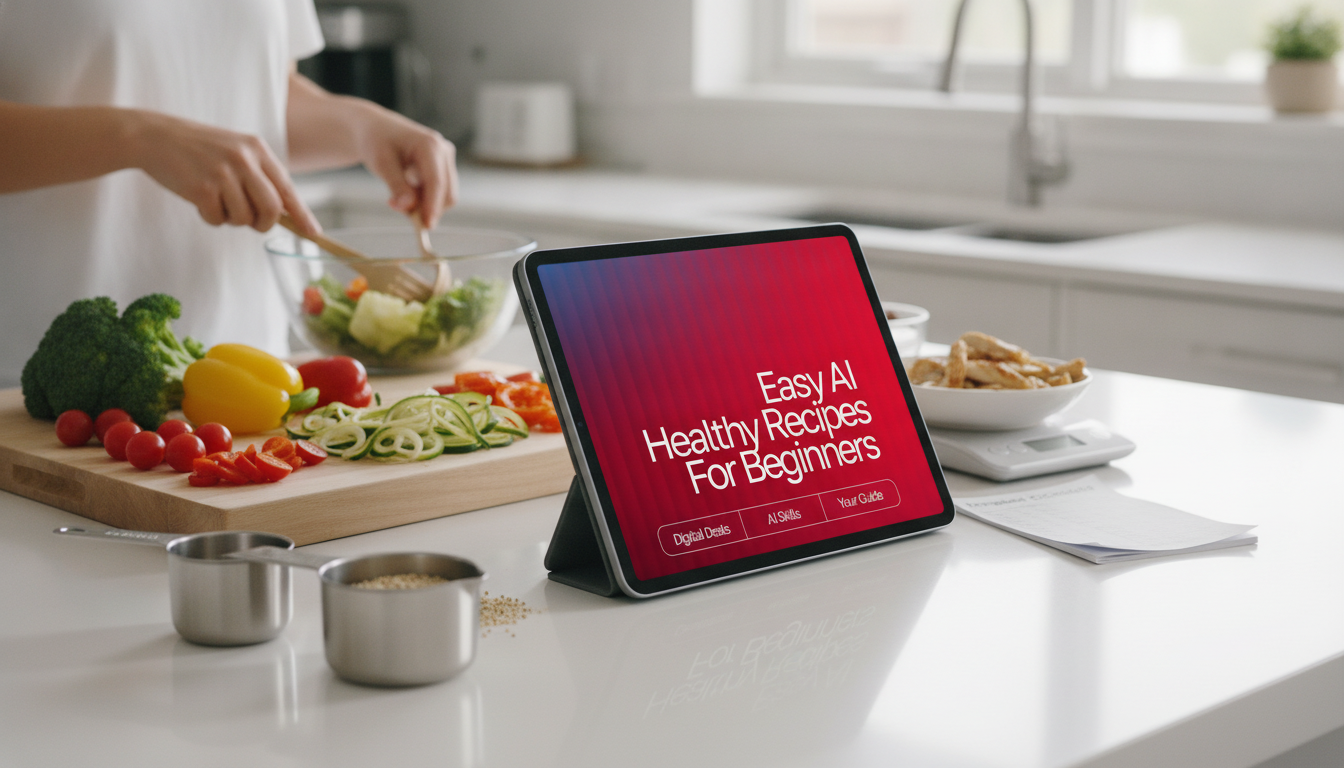
Healthy cooking gets easier when decisions are simplified. An AI-assisted recipe approach helps beginners pick balanced meals, build repeatable grocery lists, and follow clear cooking steps—without needing advanced skills. Below is a calm, printable-style system that uses mix-and-match templates, beginner-friendly recipe ideas, and a simple checklist so weeknight cooking feels structured instead of stressful.
Why AI-style recipe suggestions help beginners cook healthier
Beginners often struggle less with cooking skills and more with daily decision overload. AI-style suggestions work because they narrow the options while still keeping meals flexible and balanced.
- Reduces decision fatigue by narrowing choices to a few balanced options per meal.
- Adapts meals to common needs: higher protein, more fiber, lower added sugar, or quick prep.
- Supports ingredient swaps based on what’s already in the pantry (fresh/frozen/canned).
- Encourages repeatable templates (grain + protein + veg + sauce) that build confidence fast.
For a quick visual target, resources like USDA MyPlate and Harvard’s Healthy Eating Plate are helpful references for building meals that feel “normal” and satisfying.
Beginner-friendly meal templates (mix-and-match building blocks)
Templates are your shortcut: you learn one pattern and reuse it with different ingredients. Start with these building blocks:
- Plate formula: 1/2 non-starchy vegetables, 1/4 protein, 1/4 whole grains or starchy veg; add a small amount of healthy fat.
- Breakfast template: protein base (Greek yogurt/eggs/tofu) + fiber (berries/oats/chia) + crunch (nuts/seeds).
- Lunch template: big salad or grain bowl with a lean protein and a simple dressing.
- Dinner template: sheet-pan, stir-fry, or one-pot meals to keep prep and cleanup manageable.
Mix-and-match meal template examples
| Template | Protein | Veg | Carb/Fiber | Flavor boost |
|---|---|---|---|---|
| Sheet-pan dinner | Chicken breast or chickpeas | Broccoli + peppers | Sweet potato wedges | Olive oil + garlic + lemon |
| Stir-fry | Tofu or shrimp | Frozen stir-fry blend | Brown rice or cauliflower rice | Low-sodium soy + ginger |
| Grain bowl | Salmon or black beans | Spinach + cucumber | Quinoa | Tahini + lime |
| Soup & side | Turkey or lentils | Carrots + celery | Beans + whole-grain toast | Herbs + chili flakes |
Easy healthy recipe ideas to start with (low-skill, high-repeat)
These are meant to be “default meals” you can repeat until they feel automatic. Each one stays flexible, so you can swap ingredients without breaking the meal.
- 5-minute upgrades: Add canned beans to a bagged salad; top with olive oil, lemon, and pepper.
- One-pan salmon and vegetables: Roast at 400°F until flaky; season with lemon, dill, and a pinch of salt.
- Egg and veggie scramble: Use pre-chopped vegetables; serve with whole-grain toast or fruit.
- Greek yogurt bowl: Yogurt + berries + oats + chia; drizzle a small amount of honey if desired.
- No-cook tuna/bean bowl: Canned tuna + white beans + chopped tomatoes + olive oil + vinegar.
To make this even easier to follow week after week, keep a printable routine nearby. The Easy AI Healthy Recipes for Beginners printable guide and cooking checklist is designed for quick reference while you cook—so you’re not juggling tabs, notes, and half-remembered steps.
How to turn AI-style suggestions into a weekly plan
Planning is where “healthy” becomes consistent. The goal isn’t perfect variety—it’s a short menu you can actually execute.
- Pick repeats: Choose 2 breakfasts, 2 lunches, and 3 dinners to repeat; repetition builds speed and reduces waste.
- Choose one cooking method per week: sheet-pan, slow cooker, or one-pot to keep skills consistent.
- Batch prep one anchor: cooked grain, roasted vegetables, or a simple protein to remix.
- Use a short substitution rule: swap within category (protein-for-protein, veg-for-veg, grain-for-grain) to stay balanced.
- Stock emergency meals: eggs, frozen vegetables, canned beans, canned fish, and a whole grain.
If you like the “assistant” feel for planning the rest of your week (beyond meals), the Personal AI Productivity Companion Toolkit can help organize routines, checklists, and weekly workflows so planning doesn’t spill into your whole evening.
Printable cooking checklist for beginners (what to do in what order)
When cooking feels chaotic, it’s usually an order-of-operations problem. This sequence keeps things predictable:
Quick checklist to keep on the fridge
| Stage | Checklist items |
|---|---|
| Plan | Choose 7 meals total • Repeat favorites • Note 2 quick backup meals |
| Shop | Buy proteins + veg + whole grains • Pick 2 sauces/seasonings • Add fruit/snacks |
| Prep | Wash/chop • Cook 1 batch grain • Roast 1 tray vegetables |
| Cook | Start long steps first • Use timers • Clean as you go |
| Store | Label containers • Refrigerate promptly • Plan leftover night |
For food safety basics—especially for leftovers and cooking proteins—keep guidance like the FDA’s safe food handling recommendations in mind.
Smart swaps that keep meals healthy (without feeling restrictive)
Using a printable digital guide: how to get the most from it
Digital download: what’s included and who it’s best for
FAQ
Are AI-style recipe suggestions safe to follow for beginners?
They can be, as long as you follow basic food safety (cook proteins to safe temperatures, avoid cross-contamination, and refrigerate leftovers promptly) and double-check suggestions for allergies, dietary needs, and ingredient accuracy.
What if an ingredient is missing—does the meal still work?
Usually yes—swap within the same category: chickpeas for chicken, frozen vegetables for fresh, quinoa for rice, or lemon for vinegar. Keeping the protein + veg + fiber/carbs structure helps the meal stay balanced.
How can healthy cooking stay budget-friendly?
Repeat a short list of meals, buy frozen vegetables, and lean on low-cost staples like beans, eggs, and canned tuna. Using templates also reduces waste because the same ingredients can be remixed across several meals.










Leave a comment