Remove a Hex Screw Without a Screwdriver: 6 Tricks
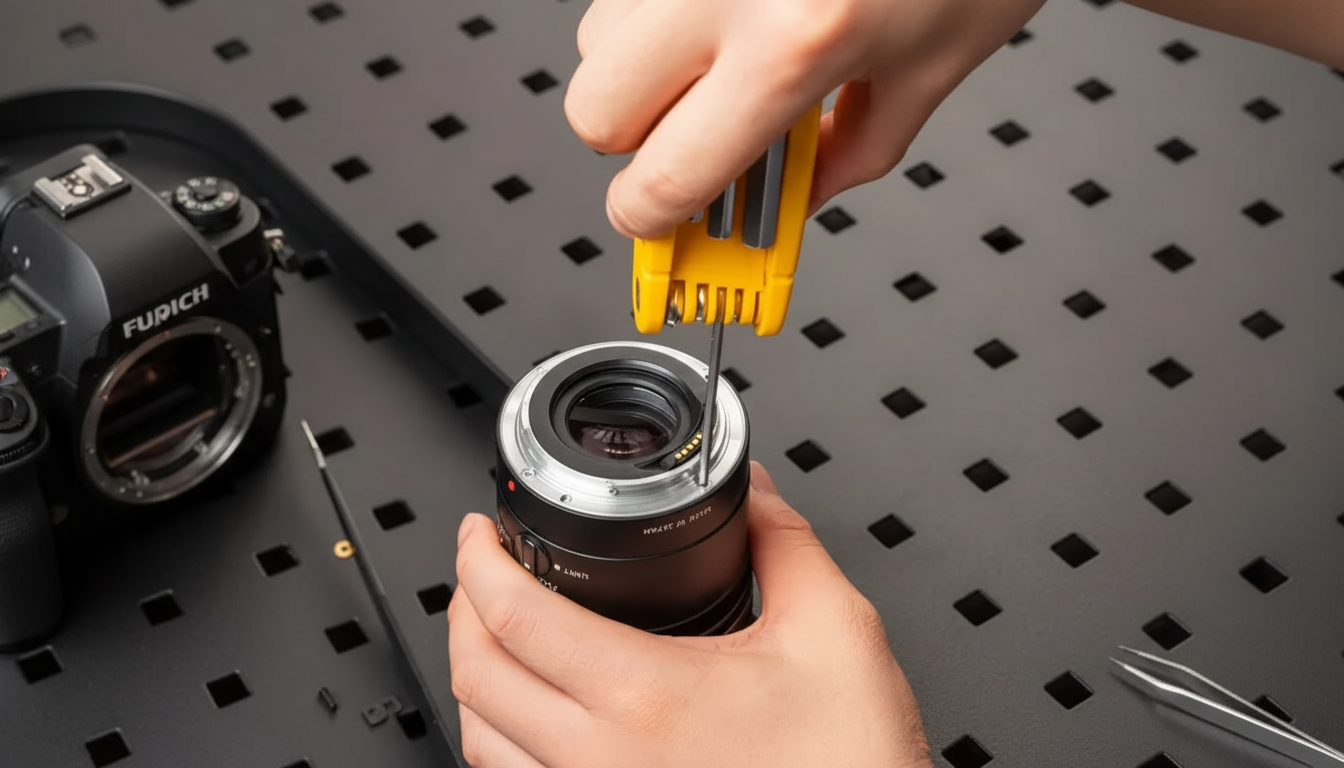
How to remove a hex screw without screwdriver
If you don’t have the right driver on hand, a hex screw (Allen/hex socket screw) can often be removed with common items—provided you protect the screw head and avoid rounding the socket. Start by cleaning debris out of the hex recess with a toothpick or pin so whatever you use can seat as deeply as possible.
Use a Torx bit (or star key) as a substitute
A Torx bit that’s slightly larger than the hex socket can sometimes bite into the corners. Tap it in gently with the handle of another tool, keep it straight, and turn slowly with steady pressure. Stop if you feel it slipping—stripping the head makes everything harder.
Try a snug flathead method (for larger sockets)
If the hex socket is wide and shallow, a flathead screwdriver or sturdy butter-knife tip can sometimes span two flats inside the socket. Push down firmly and turn with controlled force. This works best on screws that aren’t over-tightened.
Grip the outside (when the head sticks up)
If the screw head protrudes above the surface, skip the socket entirely. Use locking pliers (Vise-Grips) or adjustable pliers to clamp the head tightly and turn counterclockwise. Re-clamp as needed to keep the jaws from slipping.
Use a rubber band or friction helper (minor rounding only)
For a slightly worn socket, place a wide rubber band or thin latex glove material over the opening, then press your improvised driver in. It can add just enough grip for a slow, careful turn.
If it won’t budge: add penetrating oil and leverage
A drop of penetrating oil and a few minutes of wait time can free stubborn threads. If you can safely apply more torque, use a small wrench on the shank of a bit or key substitute, keeping everything aligned to avoid cam-out.
For a compact tool that prevents guesswork and fits common sizes, see the guide to an 8-in-1 foldable hex key set here: https://enticingwaresbay.shop/guide-8-in-1-foldable-hex-key-set-fast-fixes-anywhere/.
FAQ
What size hex key do I need for my screw?
Check the screw’s packaging or manual first. If that’s not available, test-fit keys until one seats fully with zero wobble—never force a near-fit size, since it can round the socket.











Leave a comment