Stop Bath Rugs Sliding on Tile: 5 Easy Fixes
How do you keep a bathroom rug from sliding on tile floors?
Tile is slick, and humidity can make fibers relax—two reasons bath rugs love to “walk” after a shower. The fix is usually a combination of the right backing plus a clean, dry contact surface. Start with the simplest solution and add grip only as needed.
1) Choose a rug with a true non-slip backing
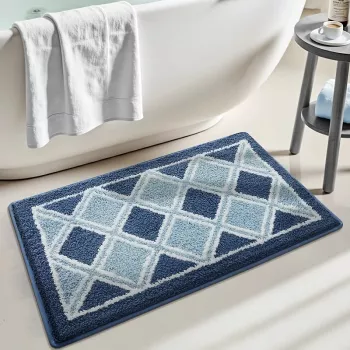
Look for bath mats labeled non-slip with a grippy backing designed for hard floors. These backings create friction against tile so the rug stays put when you step out of the tub. If you’re comparing styles, the guide to a vintage diamond tufted bath mat explains what to look for in a soft rug that’s made to resist sliding: https://enticingwaresbay.shop/guide-vintage-diamond-tufted-bath-mat-soft-non-slip-rug/.
2) Add a rug pad (best upgrade for existing rugs)
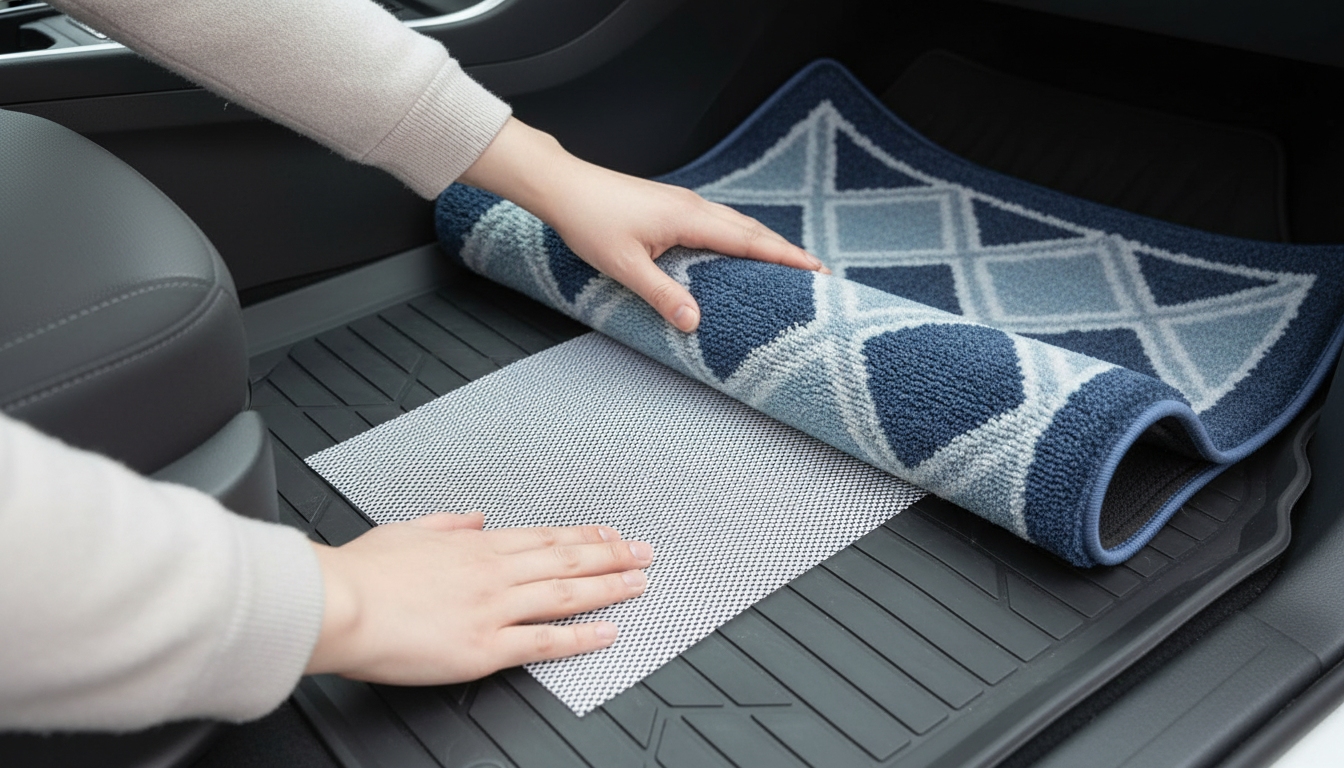
If your current rug doesn’t have grip, place a non-slip rug pad underneath. Choose one made for bathrooms (mildew-resistant, open weave for airflow) and cut it slightly smaller than the rug so the edges stay neat. This is especially helpful for thinner cotton rugs that shift easily on glossy tile.
3) Clean the tile and the rug backing
Soap residue, lotion, and dust act like a lubricant. Wipe the tile with a gentle cleaner, rinse well, and dry completely. Flip the rug over and remove lint and buildup from the backing so it can “grab” the floor again.
4) Keep the area dry and flat
Water trapped under a rug can reduce traction and encourage sliding. Hang the rug to dry regularly and avoid placing it over wet grout lines right after mopping. Also smooth out curled corners; if the rug is folding, it’s more likely to shift underfoot.
5) Use grippers or double-sided tape for stubborn spots
For small rugs that still drift, use washable rug grippers at the corners or bathroom-safe double-sided tape. These options are great for high-traffic bathrooms, but check that the product won’t leave residue on your specific tile finish.
FAQ
How often should you wash a bath rug to keep it safe and fresh?
Wash it about once a week in busy bathrooms, or every 1–2 weeks in lighter-use spaces. Frequent washing removes residue that can make the backing slippery and helps prevent mildew odors.









Leave a comment