Prada: Luxury House or Just Premium? Clear Answer
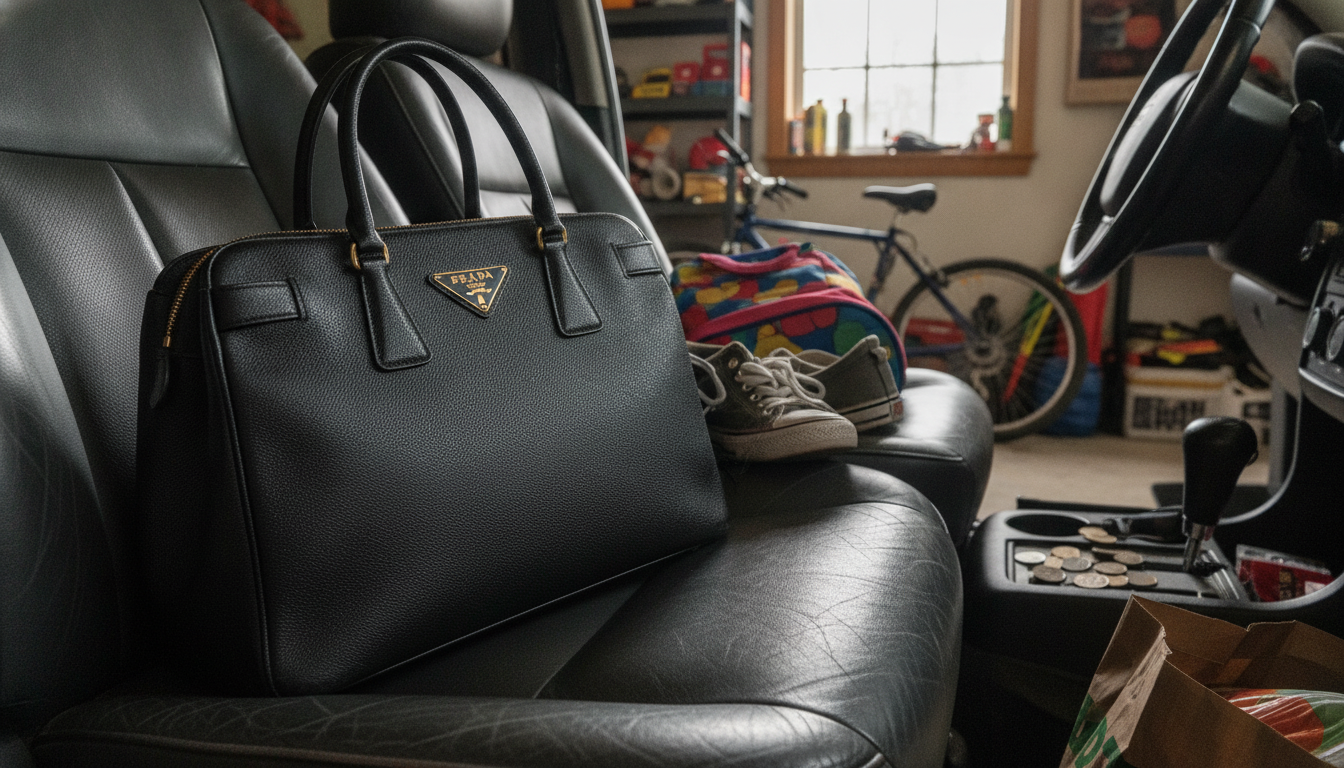
Is Prada luxury or premium?
Prada is widely considered a luxury brand, not merely “premium.” In fashion, “premium” usually describes higher-end products that sit above mass market but below the heritage maisons that set global pricing, craftsmanship expectations, and brand prestige. Prada operates in that top tier: it’s positioned alongside other major luxury houses, sells through tightly controlled distribution, and commands pricing that reflects brand equity as much as materials.
What makes Prada “luxury” in practice?
Luxury status comes from a combination of factors rather than one feature. Prada has a long-established fashion house identity, runway influence, and a design language that stays recognizable across seasons. It also maintains premium pricing across categories—bags, ready-to-wear, footwear, and accessories—supported by brand storytelling and a curated retail experience. While some items use utilitarian materials (like Prada’s well-known nylon), the luxury signal is often the design, hardware details, finishing, and the brand’s cultural cachet rather than just “rare” materials.
Why some people call Prada “premium” instead
The “premium” label tends to show up when shoppers compare Prada to ultra-high-priced peers or focus strictly on tangible build factors (leather thickness, hand-stitching, or artisan techniques). Prada can be more minimalist and industrial in feel than some traditional heritage leather houses, which can make the value feel less obvious on first inspection. That doesn’t remove it from the luxury category—it simply means the brand’s value proposition leans heavily on design and fashion authority.
How to decide if Prada is worth it
If “worth it” means long-term wear, quality consistency, and resale resilience, the answer depends on the specific item, material, and season. Some Prada staples hold value better than trend-driven pieces, and condition plus authenticity documentation matter. For a deeper breakdown of pricing, quality cues, and resale considerations, see the full guide here: Prada value for money, pricing, quality, and resale guide.
FAQ
What affects Prada resale value the most?
Model popularity, condition, and authenticity documentation typically matter most, followed by material choice and whether the colorway is timeless or trend-driven. Limited availability can help, but heavy wear or missing proof of purchase can quickly reduce demand.









Leave a comment