When Can Babies Start Using Utensils in Feeding Sets?
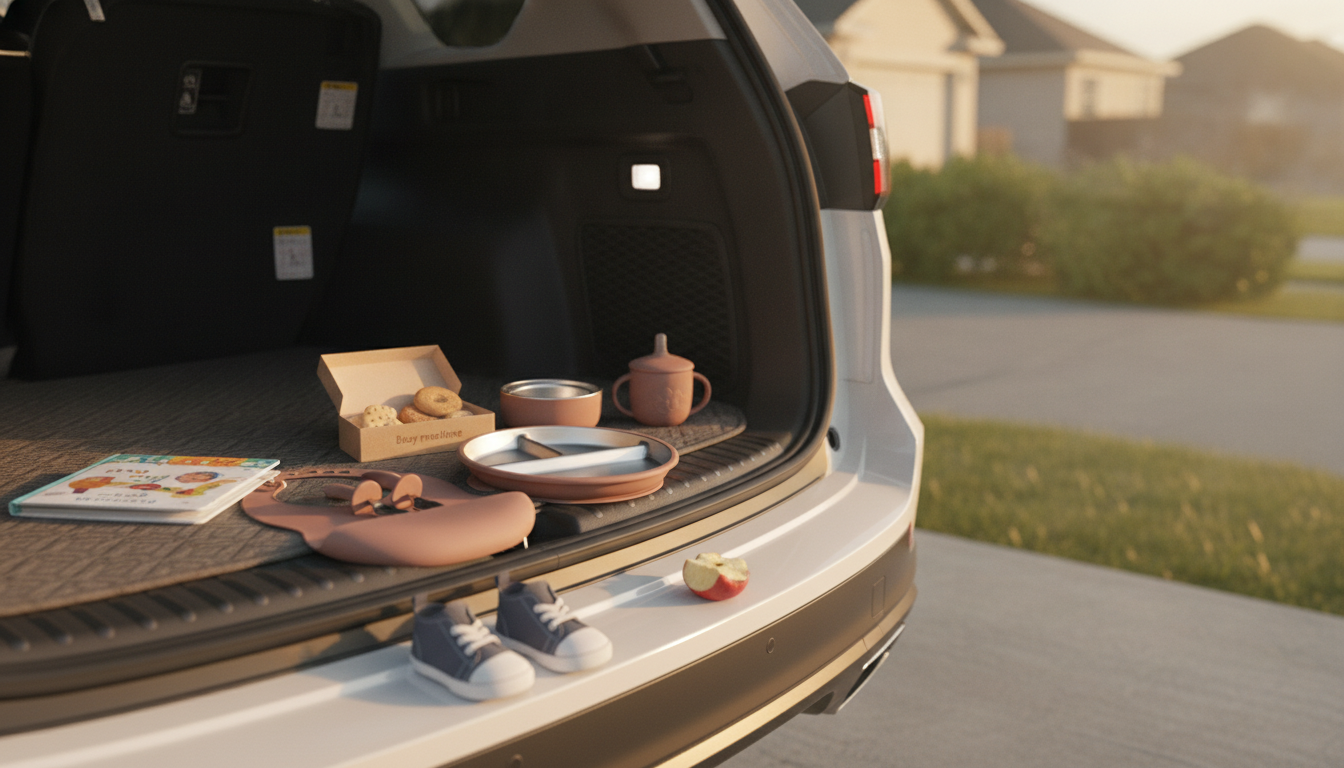
What age is appropriate to start using a baby feeding set with utensils?
Most babies can start using a baby feeding set with utensils around 6 months old, when solids are typically introduced and your baby can sit with support and show interest in food. At this stage, utensils are less about “proper eating” and more about safe exploration—grabbing, mouthing, tapping, and practicing bringing food toward the mouth.
Some families introduce a spoon a bit earlier (around 4–5 months) if their pediatrician recommends starting purees and the baby shows readiness signs. Even then, the adult usually does most of the feeding while the baby holds a second spoon to imitate. For baby-led weaning or finger foods, utensils still become useful around the 6–7 month mark, especially for thicker foods like yogurt, oatmeal, or mashed avocado.
Milestones that matter more than the exact age
Instead of focusing on a specific birthday, watch for practical readiness cues: your baby can sit upright with minimal support, has good head and neck control, brings toys to their mouth, and opens their mouth when food approaches. If these skills aren’t there yet, wait—forcing utensil use too early can create frustration.
Which utensil types work best for early practice
For early self-feeding, look for small, lightweight utensils with easy-to-grip handles and gentle edges. Silicone-tipped spoons are popular for starting out because they’re softer on gums. As coordination improves (often 9–12 months), a toddler-size fork can help with soft foods like banana pieces or steamed vegetables. Stainless steel pieces can be durable and easy to clean, but baby-safe shapes and smooth edges are essential.
Safety and hygiene tips when starting utensils
Always supervise during meals and keep bites appropriately sized. Choose utensils and plates that are BPA-free, non-toxic, and easy to sanitize. If you’re comparing materials and features for a complete set, see the detailed guide here: 7-piece stainless steel baby feeding set guide.
FAQ
How do I choose the right spoon and fork size for my baby?
Start with short, rounded baby spoons that fit comfortably in a small mouth and have a chunky handle for gripping. Move to slightly longer, toddler-size utensils once your baby can scoop more consistently and bring the utensil to their mouth with fewer misses.









Leave a comment