Luxury Brand Image Checklist: Lessons From Gucci
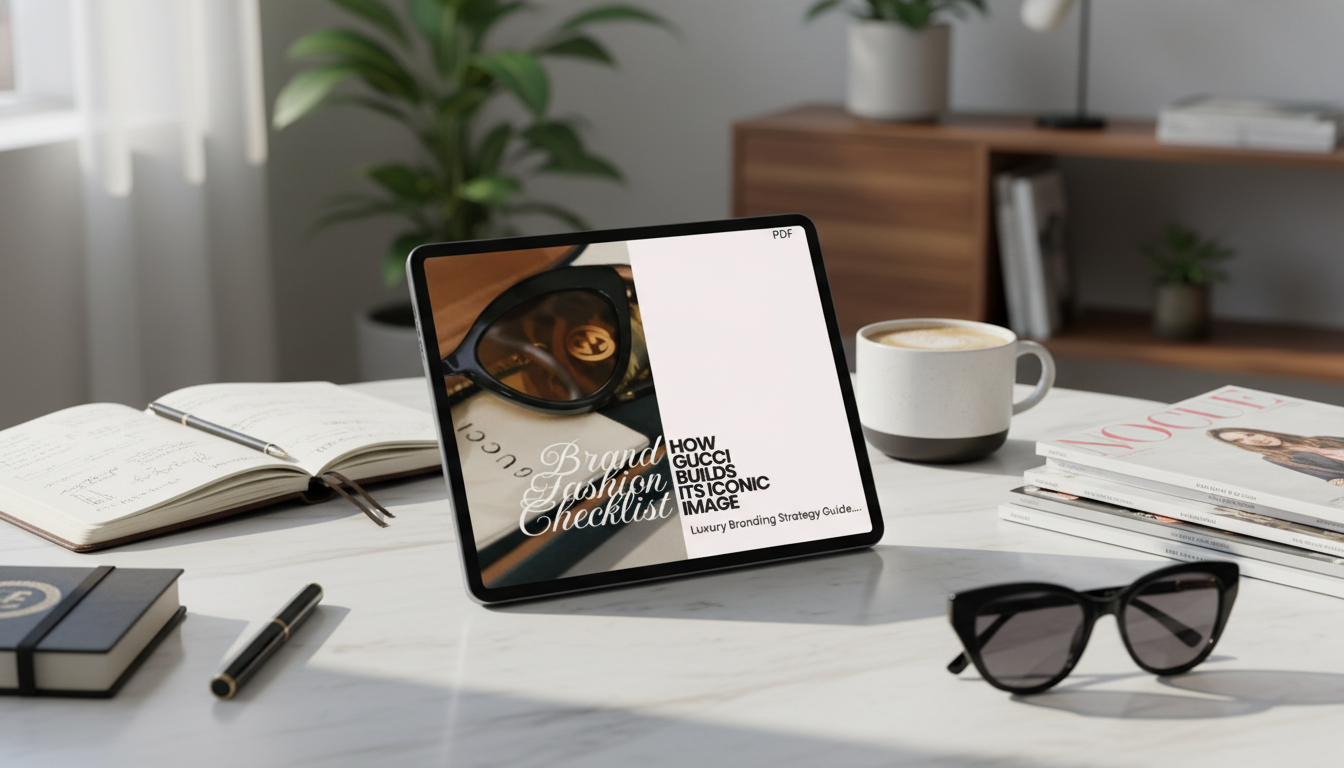
Brand Fashion Checklist: How Gucci Builds Its Iconic Image
Gucci’s image isn’t built on a single logo or seasonal campaign—it’s the result of repeatable decisions across product design, storytelling, retail, pricing, collaborations, and digital presence. When those decisions stack in the same direction, customers learn what the brand “means,” what it looks like, and why it costs what it costs. This checklist-style guide translates that approach into practical steps fashion buyers and business owners can use to evaluate brand consistency, strengthen perceived value, and create a recognizable point of view—without copying designs, trademarks, or trade dress. For more guidance, see Gucci’s Marketing Strategies and Examples Through Years.
What “iconic” looks like in luxury fashion
In luxury, “iconic” is less about being loud and more about being legible. Customers should be able to recognize the brand, repeat its story, and feel the value before they read a tag.
- Recognition: distinct codes identifiable at a glance—color, motifs, silhouettes, typography, styling, and hardware cues.
- Meaning: a narrative customers can repeat (heritage, craft, culture, provocation, aspiration).
- Consistency with evolution: a stable core that changes in controlled ways to stay current.
- Desire mechanics: limited availability, selective distribution, and strong visual merchandising.
- Trust signals: quality cues, service, packaging, and aftercare that justify price.
The pillars behind Gucci’s brand image
Gucci’s public image is a “system,” not a single tactic. The components below reinforce one another, so the brand feels coherent across seasons and channels.
- Brand codes: recurring elements (stripes, monograms, signature hardware) used with discipline so customers learn the language.
- Creative direction: a clear aesthetic stance that shapes campaigns, product lines, and collaborations into one world.
- Storytelling: references to art, cinema, music, and archives that make products feel culturally placed, not generic.
- Product architecture: hero categories and signature items that anchor the assortment and support seasonal experimentation.
- Retail theater: store design, packaging, and service that match what customers see online.
- Community and cultural relevance: partnerships, ambassadors, and events that keep visibility high beyond runway moments.
For context on luxury market dynamics and brand performance, see Bain & Company’s luxury goods insights and the owner-group reporting found in Kering annual reports. For Gucci’s current brand world and product presentation, reference the Gucci official website.
Checklist: build a luxury image without copying
A luxury image is built by removing randomness. The goal is to make your choices predictable in the right way—so customers recognize you—while keeping the product fresh through controlled variation.
- Define non-negotiables: pick 3–5 brand codes (materials, color system, silhouettes, typography, styling rules) that appear every season.
- Write a one-sentence worldview: what the brand celebrates, challenges, or protects—then use it to filter content and product decisions.
- Design hero products: create 1–3 signature items you can iterate (sizes, finishes, seasonal color) while staying recognizable.
- Set visible quality cues: weight, hardware feel, stitching density, lining choices, edge paint, packaging rigidity.
- Build a controlled palette: maintain a core palette plus seasonal accents; avoid reinventing the entire visual system each drop.
- Create campaign consistency: repeat shot types (lighting, angles, casting energy, set design) so posts connect over time.
- Plan distribution rules: decide where the product should and should not appear; avoid overexposure that erodes value.
- Protect distinctiveness: avoid anything that could be confused with another brand’s trademarks, trade dress, or signature patterns.
- Measure perception: track return reasons, review language, direct messages, and sell-through to diagnose image gaps.
Luxury Brand Image Checklist (inspired by how Gucci operates)
| Pillar | Questions to ask | Proof to collect | Next action |
|---|---|---|---|
| Brand codes | Can someone identify the brand from one detail? | Moodboard, style guide, code examples across 3 seasons | Standardize 3–5 codes and ban off-code variants |
| Hero products | What is the signature item customers remember? | Top sellers, repeat purchase data, save/share rate | Design a hero line with controlled variations |
| Pricing & value | Does the price match visible and invisible value cues? | Cost breakdown, competitor benchmarks, customer objections | Add/upgrade quality cues or adjust pricing ladder |
| Content system | Do posts look like one world? | Grid audit, story highlights, campaign references | Create templates for shoots, captions, and launches |
| Retail & packaging | Does unboxing feel premium and consistent? | Packaging spec, inserts, care cards, return experience | Upgrade packaging hierarchy and aftercare touchpoints |
| Distribution | Is availability intentional or accidental? | Channel list, discount history, marketplace presence | Limit channels, control discounting, refine partners |
| Community | Who signals taste for the brand? | UGC, stylist pull requests, collaborator list | Build a collaboration/ambassador calendar |
How fashion buyers can use the checklist
Buyers don’t just select products—they select brand signals. A checklist approach helps evaluate whether a line can hold price, tell a coherent story in-store, and sustain demand beyond a trend cycle.
How business owners can apply it in 30 days
Digital tools that support consistent execution
Common pitfalls that weaken luxury perception
FAQ
What makes Gucci’s branding feel instantly recognizable?
Gucci uses repeatable brand codes, a cohesive creative direction, culturally anchored storytelling, and consistent execution across retail and digital. Controlled distribution and strong merchandising also help preserve desire and perceived value.
Can a small fashion brand apply luxury branding principles on a budget?
Yes—start with a tight set of codes, one hero product, consistent photography templates, and a simple but premium packaging baseline. The biggest cost-saver is discipline: fewer design directions and fewer channels, executed consistently.
Is it okay to take inspiration from Gucci for my brand?
Yes for strategy and systems—like consistency, storytelling structure, and quality cues—but avoid copying trademarks, logos, signature patterns, or distinctive trade dress. Build your own codes so recognition points back to your brand, not someone else’s.









Leave a comment