2-in-1 MTB Pedals: Clipless Power, Flat Grip Anytime
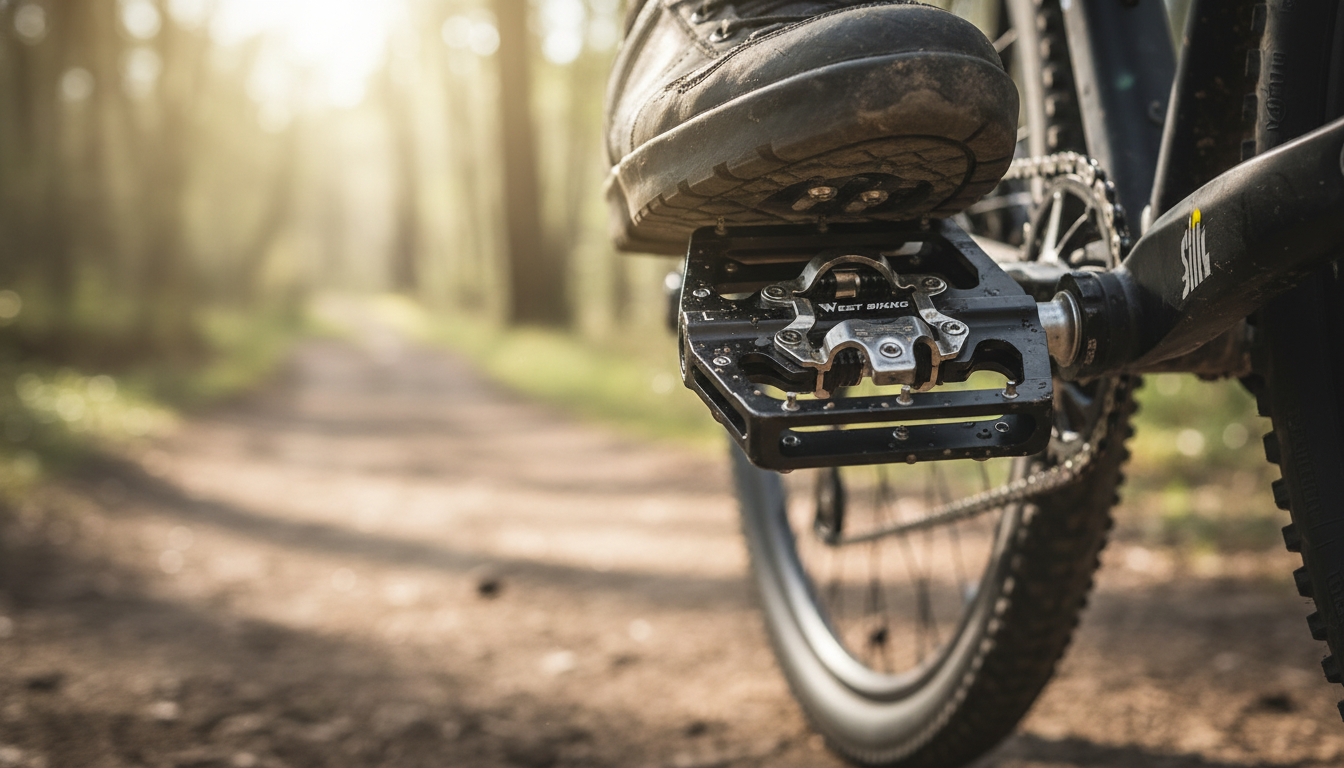
2-in-1 MTB Pedals: Self-Locking Clipless Control with a Flat Anti-Slip Platform
A versatile pedal can make trail riding feel more secure and efficient, especially when switching between clipped-in mileage and casual rides. A 2-in-1 MTB pedal combines a self-locking mechanism on one side with a grippy flat platform on the other—so you can chase steady power on climbs, then flip the pedal for easy starts, stops, and quick errands. Built with an aluminum body and supported by DU bearings, this style aims for smooth rotation, consistent engagement, and durability through wet, dusty, and rocky conditions. For more guidance, see Bicycle pedal – Wikipedia.
What a 2-in-1 MTB pedal setup changes on the trail
Two-sided pedals make a noticeable difference the moment terrain gets unpredictable. When you’re clipped in, your foot position stays steadier through chatter and compressions, which helps you hold a consistent cadence and keep power transfer clean on long climbs. When you’re not clipped in, the flat side becomes a confidence tool—especially for quick dabs, slow-speed moves, and anything that benefits from easy foot-out stability.
- Clip-in efficiency when pushing hard: steadier foot position through rough sections and consistent power transfer on climbs.
- Flat-side flexibility: ride in regular shoes for quick errands, commuting, or when learning new skills.
- Confidence on technical terrain: the platform’s anti-slip pins help keep footing stable when not clipped in.
- Useful for mixed riders: ideal for riders who share a bike, alternate footwear, or mix trail and city rides.
Key features: self-locking side, flat platform, aluminum body, DU bearings
The appeal of a 2-in-1 design is that it doesn’t force one “right” way to ride. You get the structured feel of clipless retention when you want it, plus a planted platform feel when you don’t.
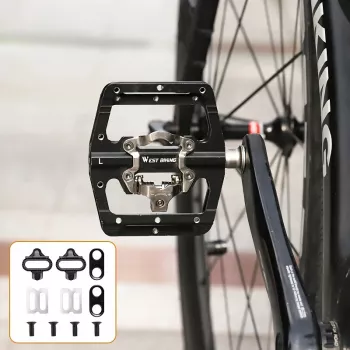
- Self-locking mechanism: designed to hold compatible cleats securely for controlled pedaling and better bike handling.
- Flat platform with anti-slip design: traction pins and a wide stance help reduce foot slip on descents and during quick dabs.
- Aluminum construction: balances strength and weight while resisting corrosion better than basic steel bodies.
- DU bearing support: low-friction rotation for smoother pedaling feel and reduced play over time.
- Two-sided usability: flip to the needed side quickly—clipless for performance, platform for convenience.
If you want a single pedal that covers everyday riding plus trail sessions, the 2-in-1 MTB Pedals Self-Locking & Flat Platform Anti-Slip Aluminum with DU Bearing is built around that exact idea: one side for self-locking retention and the other for a traction-focused platform.
Quick specs and fit check
Before buying or installing any pedal, a quick compatibility and setup check saves time and frustration later. Most modern MTB cranks use a 9/16″ pedal thread, but it’s worth confirming so you don’t cross-thread or force the wrong fit.
- Riding styles that benefit most: trail, XC, gravel-adjacent use, commuting with occasional off-road.
- Footwear pairing: cycling shoes for the locking side; flat shoes with a firm sole for the platform side.
- Bike compatibility basics: confirm crank thread standard before installation (common MTB pedals use 9/16″ threading).
- Safety baseline: ensure the locking mechanism engages and releases predictably before riding technical terrain.
- Comfort note: platform pedals typically feel best when the axle is under the ball of the foot; adjust cleat position similarly for clipless use.
| Feature | Self-locking side | Flat platform side |
|---|---|---|
| Best for | Climbs, steady cadence, long rides | Quick rides, skills practice, casual shoes |
| Foot security | High (cleat retention) | Medium–high (depends on shoe + pins) |
| Learning curve | Moderate (practice entry/exit) | Low |
| Typical advantage | Efficiency and control | Convenience and confidence for dabs |
| Typical trade-off | Needs compatible cleats and setup | Less locked-in pull on upstroke |
How to set them up for reliable entry, exit, and grip
Most “clipless problems” come down to initial setup, not the pedal itself. A little time on installation, tension, and cleat alignment pays back on the first rocky climb or emergency dab.
For installation basics (including thread direction), Park Tool’s guide is a solid reference: Pedal installation and removal.
DU bearings: what they do and what maintenance looks like
For a deeper understanding of clipless concepts and engagement goals, Shimano’s SPD overview provides helpful context: Shimano SPD (Pedaling Dynamics) overview. For broader bicycle safety requirements, see ISO 4210: ISO 4210 (bicycles safety requirements).
Who this pedal style fits best
Common mistakes to avoid
Product picks (in stock)
- 2-in-1 MTB Pedals Self-Locking & Flat Platform Anti-Slip Aluminum with DU Bearing — the dual-mode option for clipless control plus a grippy platform.
- 65W GaN USB C Fast Wall Charger with Quick Charge — a compact charger for phone, GPS computer, lights, or action camera batteries between rides.
FAQ
Do dual-platform self-locking pedals work with any cycling shoes?
The locking side requires compatible cleats and cycling shoes with the correct cleat mounting pattern. The flat side works with regular shoes, but a firm, grippy sole improves stability and control.
Are DU bearings good for MTB pedals?
DU bearings/bushings can be a durable, low-friction support option when kept clean and protected from water intrusion. Basic upkeep—wiping down after wet rides and avoiding high-pressure spray near seals—helps them last longer.
How tight should the release tension be for beginners?
Start with lighter release tension so unclipping is easy and predictable, then practice entry/exit in a safe area. Increase tension gradually once you’re confident, especially if you notice accidental release on rough trails.









Leave a comment